Sun Protection in Water: Why It’s Harder Than You Think
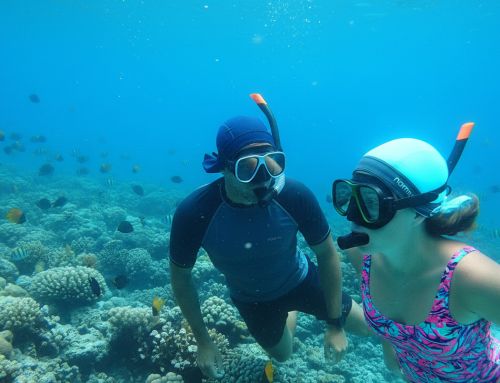
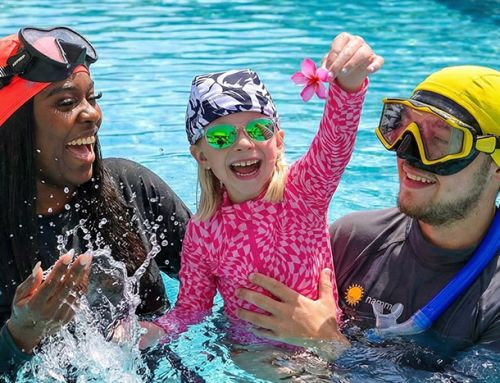
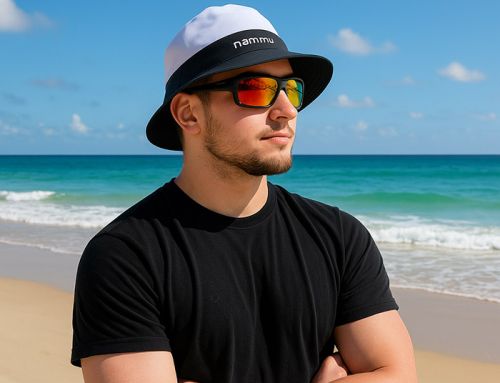
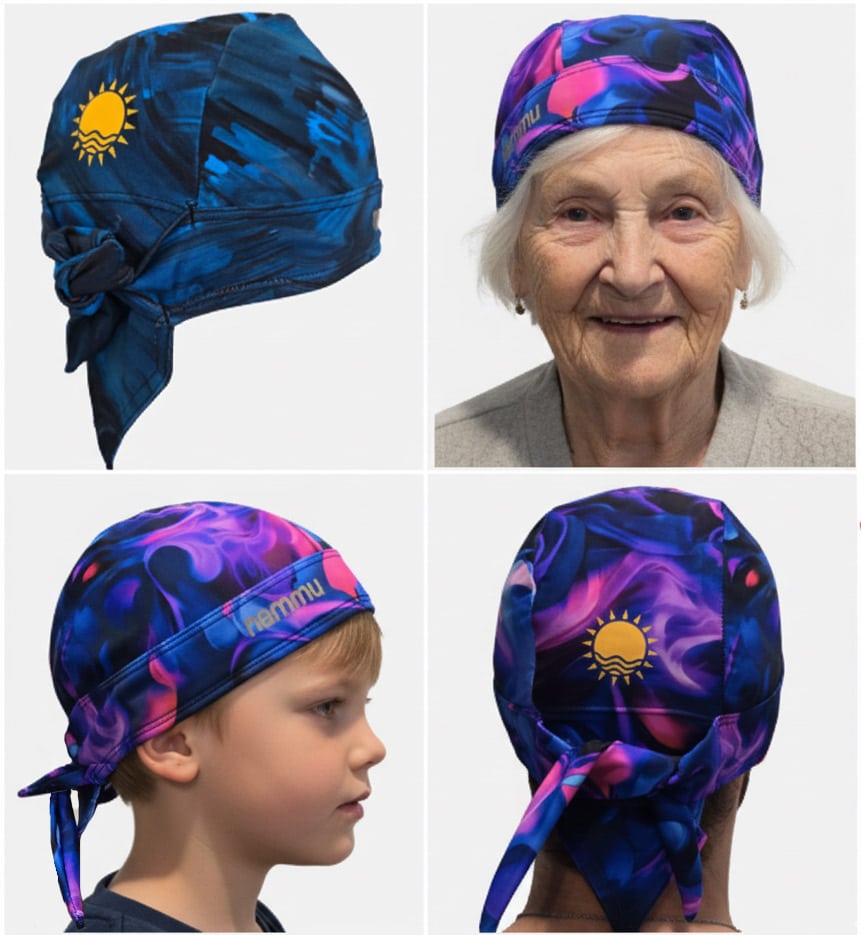
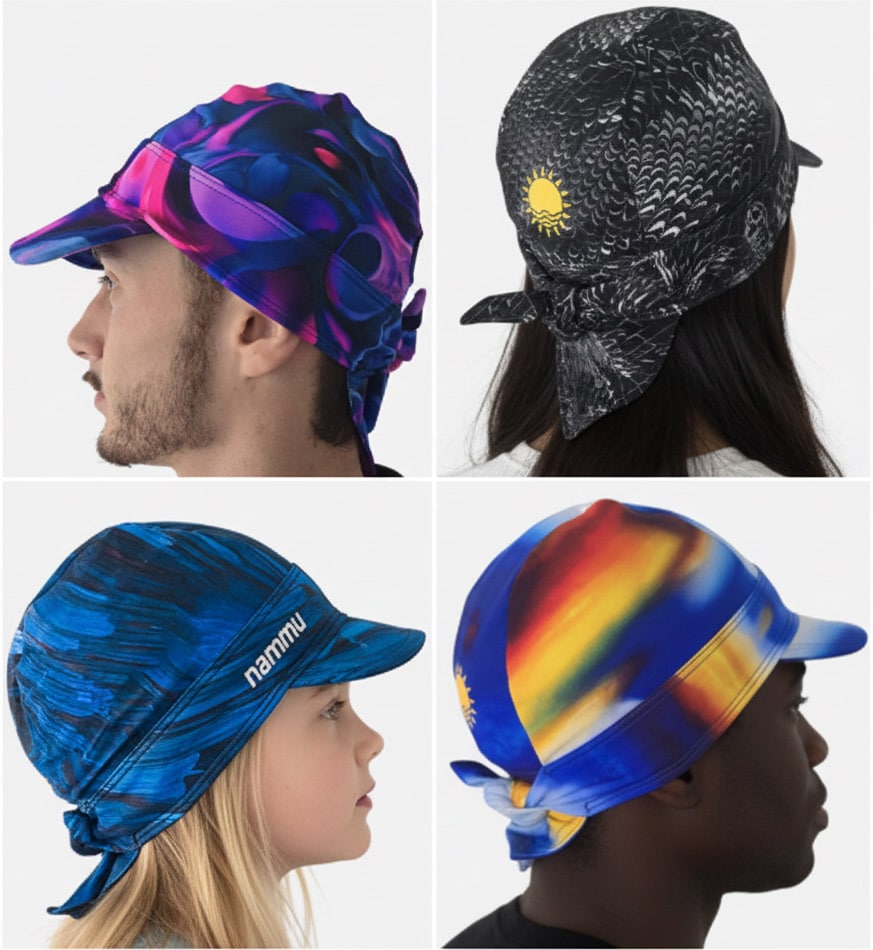
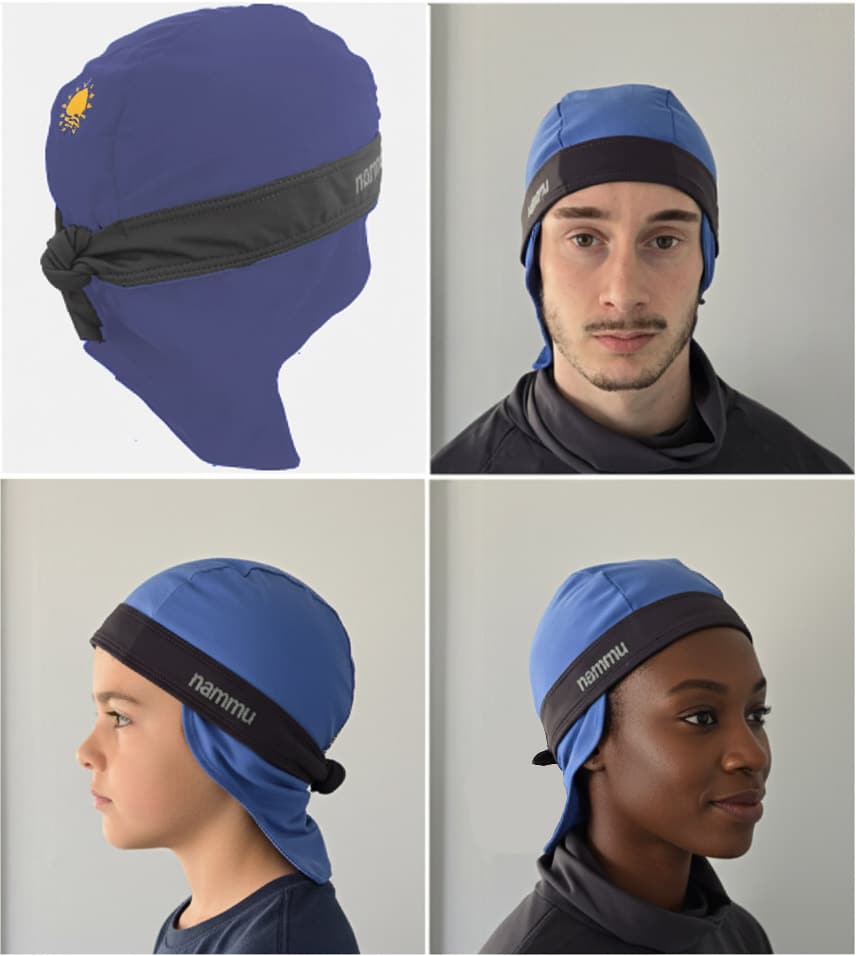
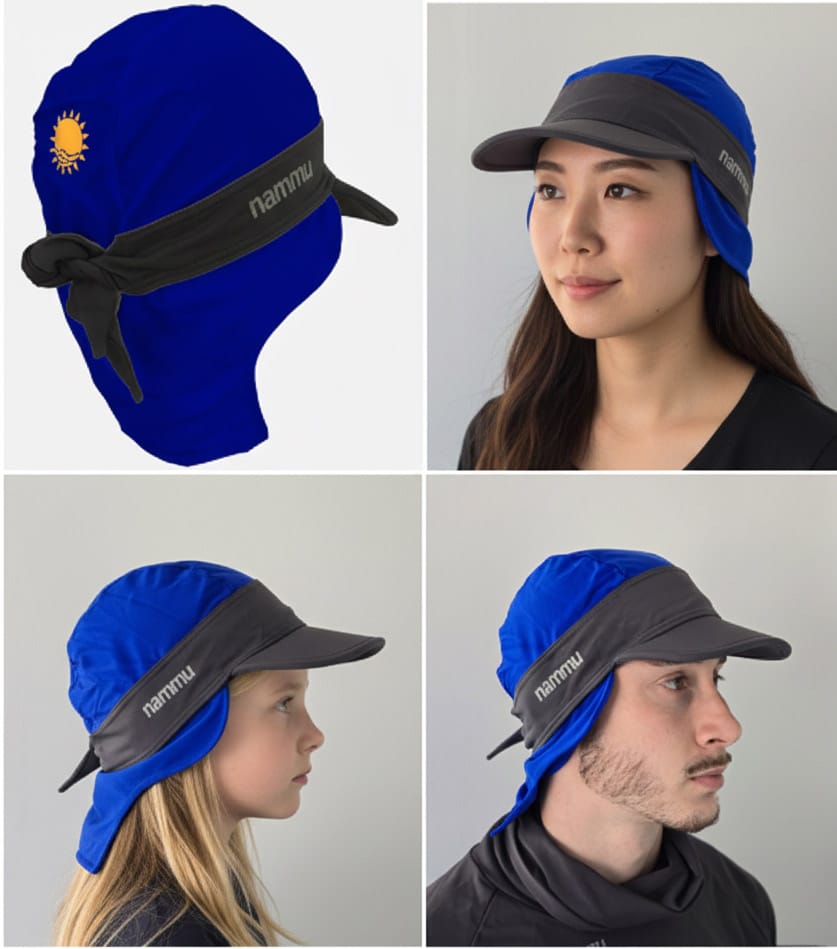
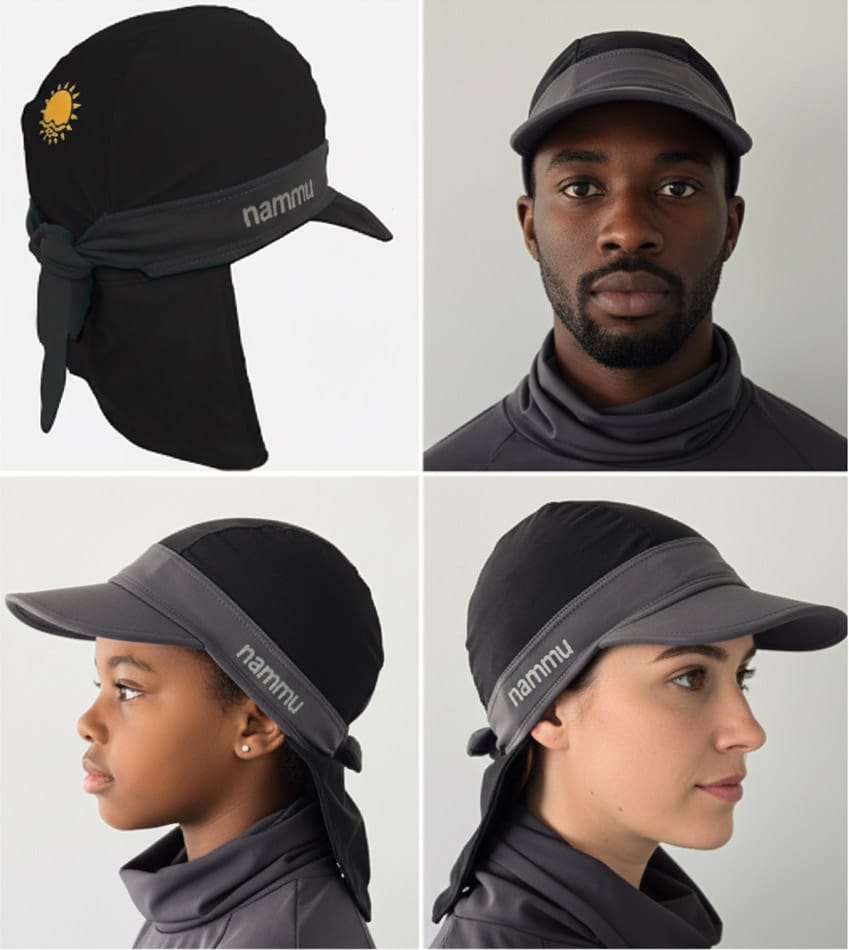
Most people don’t realize that sun exposure is more intense in the water than on land. Between the “mirror effect” of the surface and the constant wash-off of sunscreen, the scalp is often left vulnerable to damage. Nammu was created to provide a permanent, reliable barrier that protects health without compromising the joy of swimming
1. The Reflection Effect: UV’s Double Threat
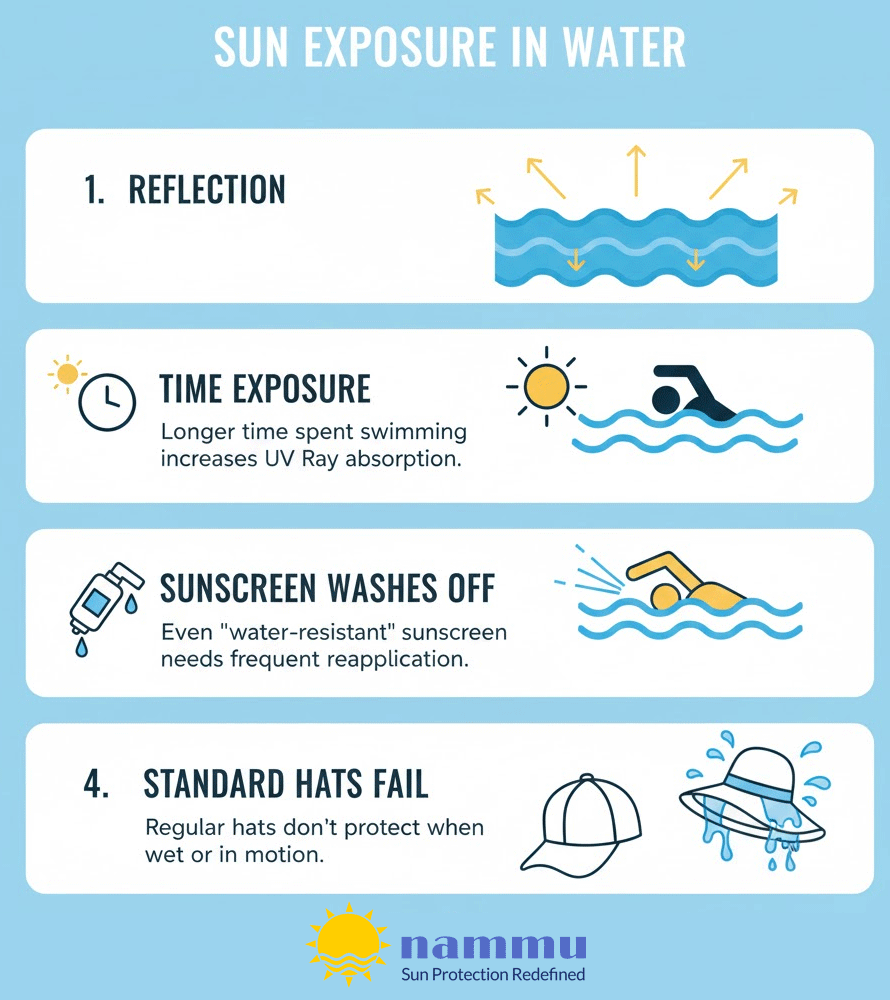
When you are in the pool or ocean, you aren’t just getting hit by direct sunlight—you are being hit by UV rays reflecting off the water’s surface. This “mirror effect” can increase your UV exposure by up to 50%. Because regular hats are not designed for the water, they often end up on the sidelines, leaving your scalp and face exposed to this double dose of radiation.
2. Why Sunscreen Isn’t Enough for the Scalp
Sunscreen is essential, but it has two major flaws in the water:
- Wash-off: Even “water-resistant” formulas lose effectiveness as you swim, splash, and sweat.
- Application Difficulty: Applying sunscreen to the scalp is messy, often misses spots, and can run into your eyes while swimming.
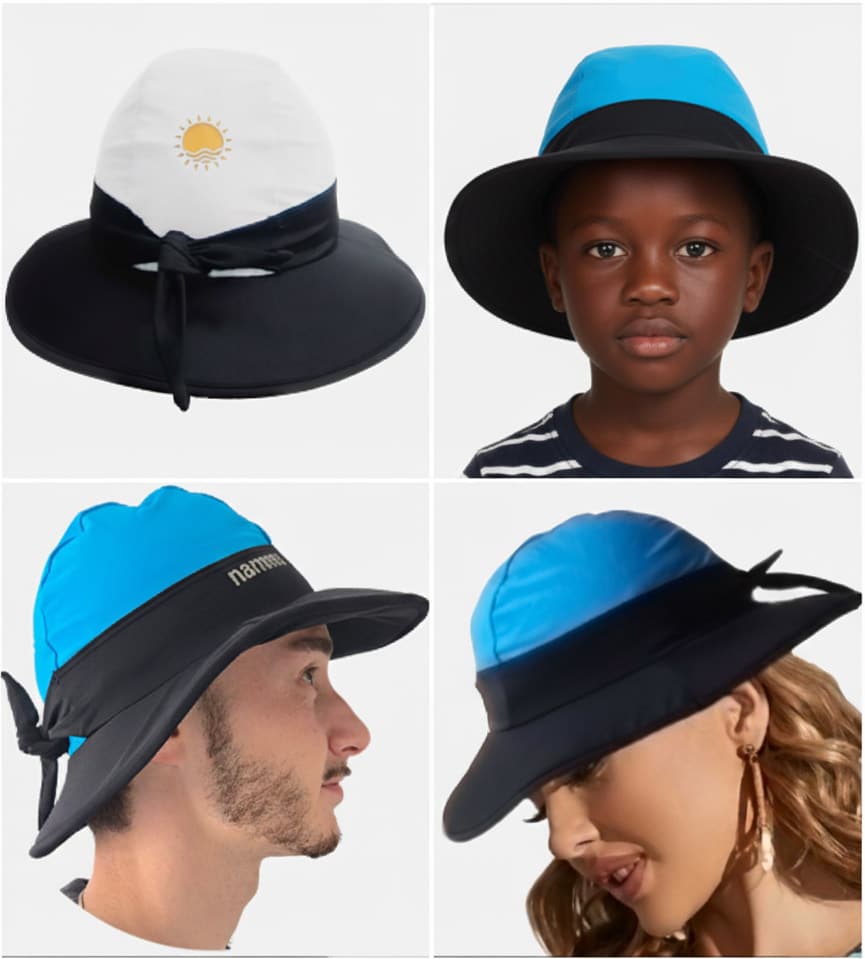
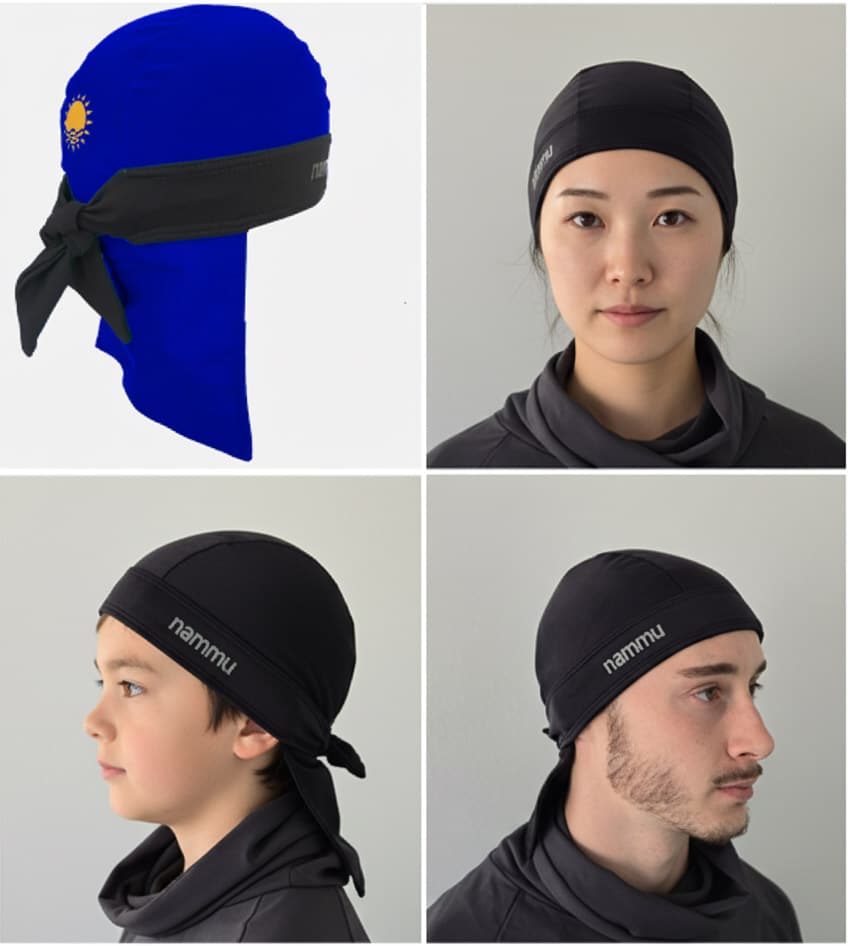
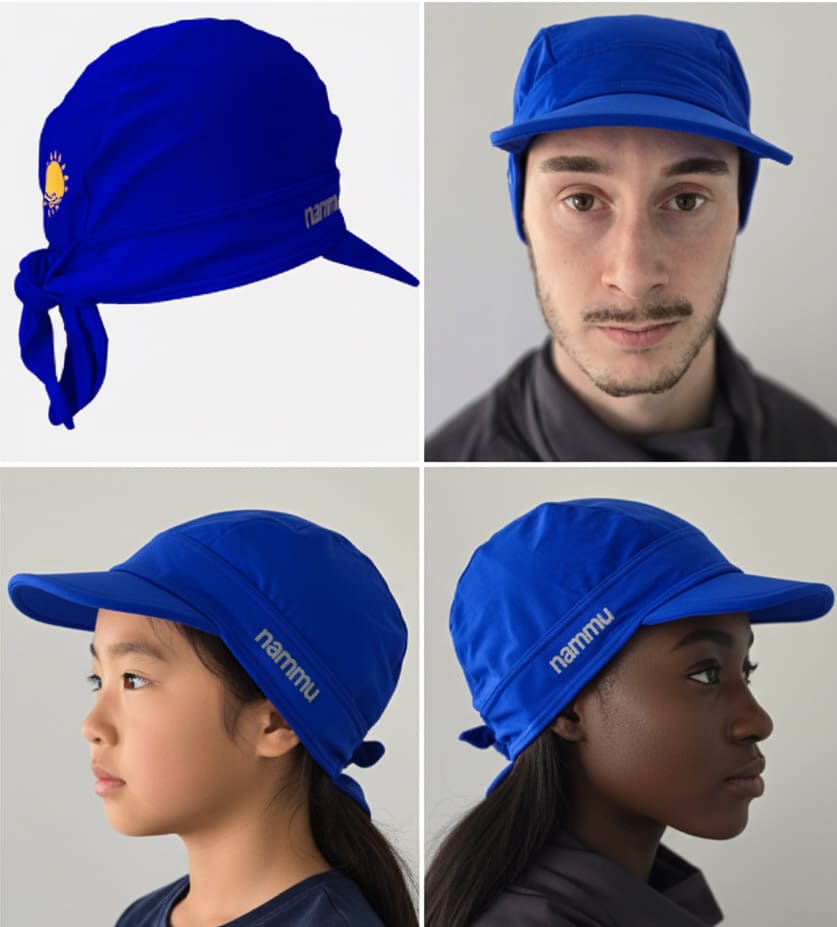
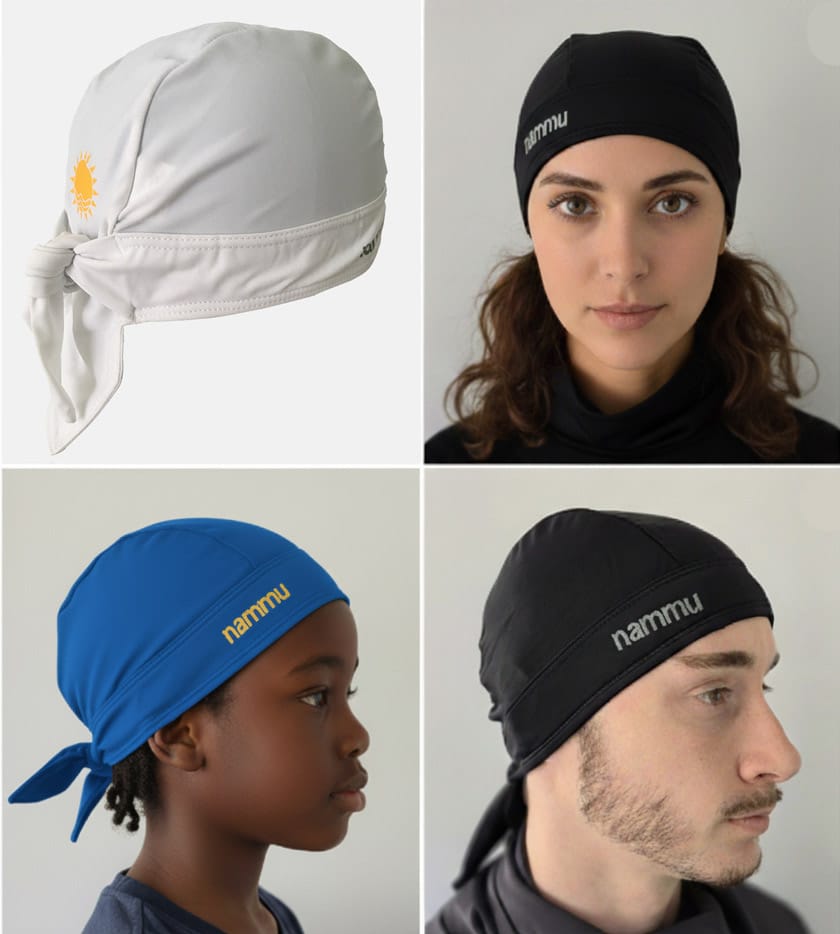
- Nammu offers a permanent UPF 50+ barrier. It never washes off, never needs reapplication, and ensures every inch of your scalp is protected from the first splash to the last.
3. Protection That Keeps You Cool
There is a common myth that wearing a hat in the water makes you hotter. Nammu was designed using lightweight, breathable swimsuit fabric that actually helps regulate temperature. By blocking the direct heat of the sun and staying wet, it provides a cooling effect while you remain active, improving your stamina and comfort in the heat.
Water Protection: Comparison
| Feature | Sunscreen Alone | Nammu swim Hats |
|---|---|---|
| UV Blocking | Fades over time | Constant UPF+50 |
| Application | Messy & easily missed | Isntant & complete |
| Water Security | Washes off | Stays on all day long |
Related Posts