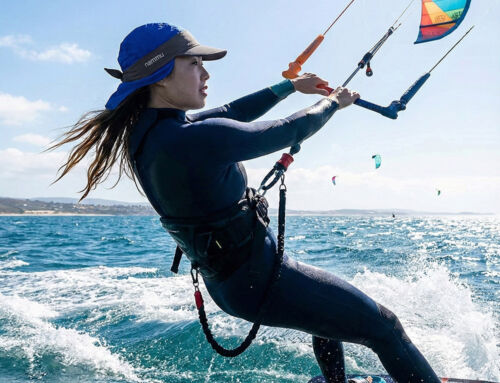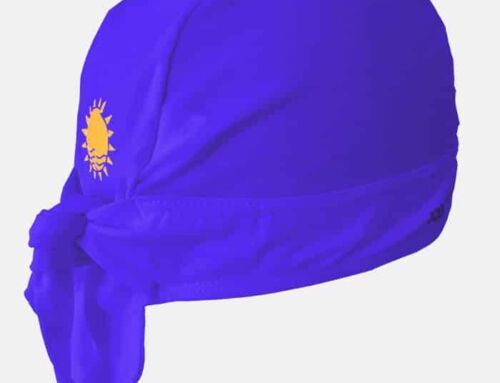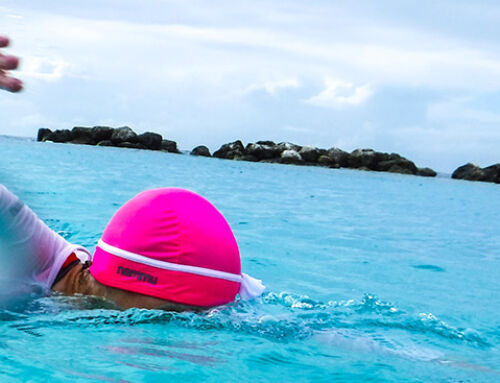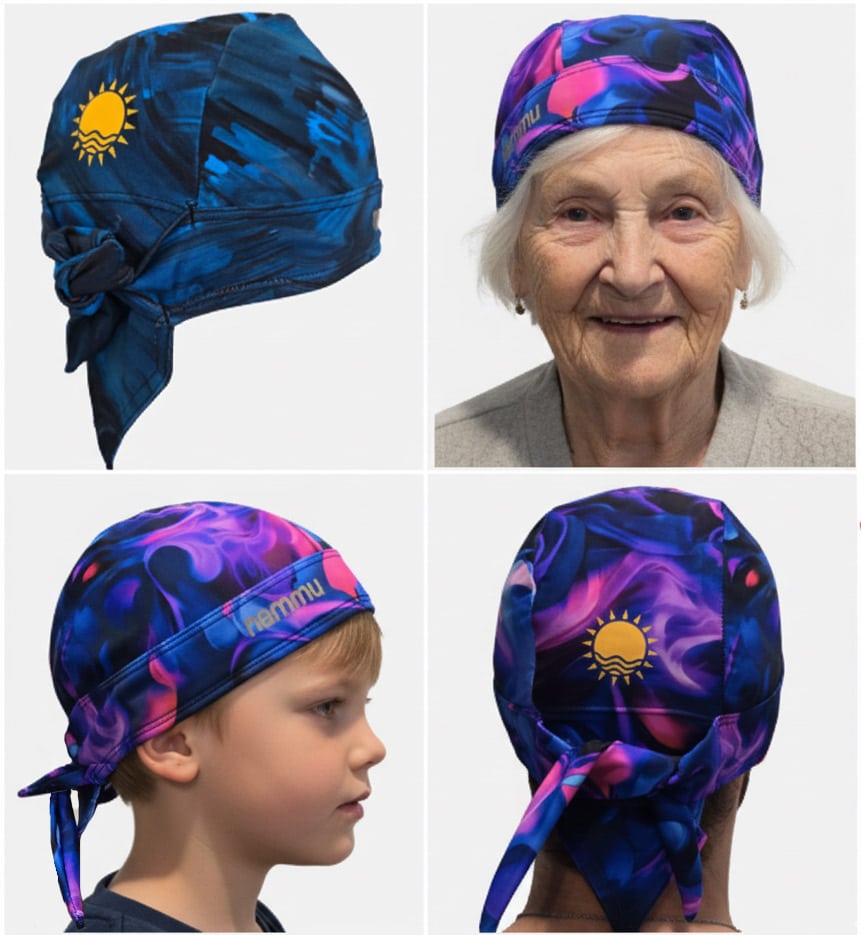
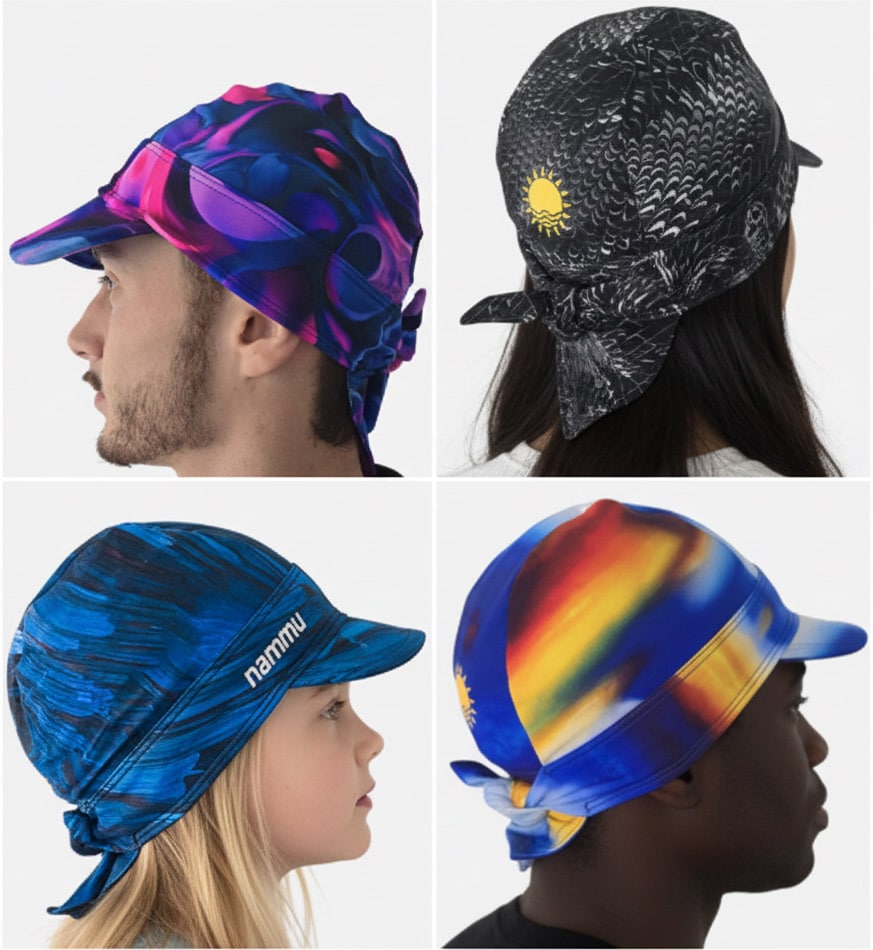
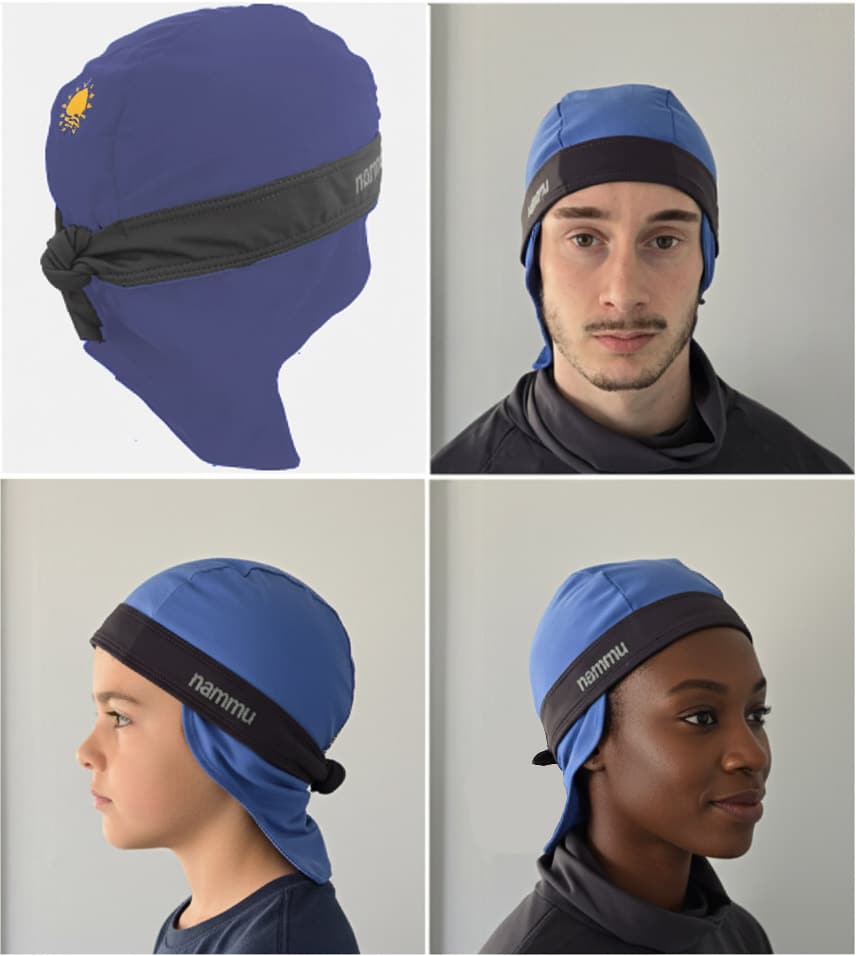
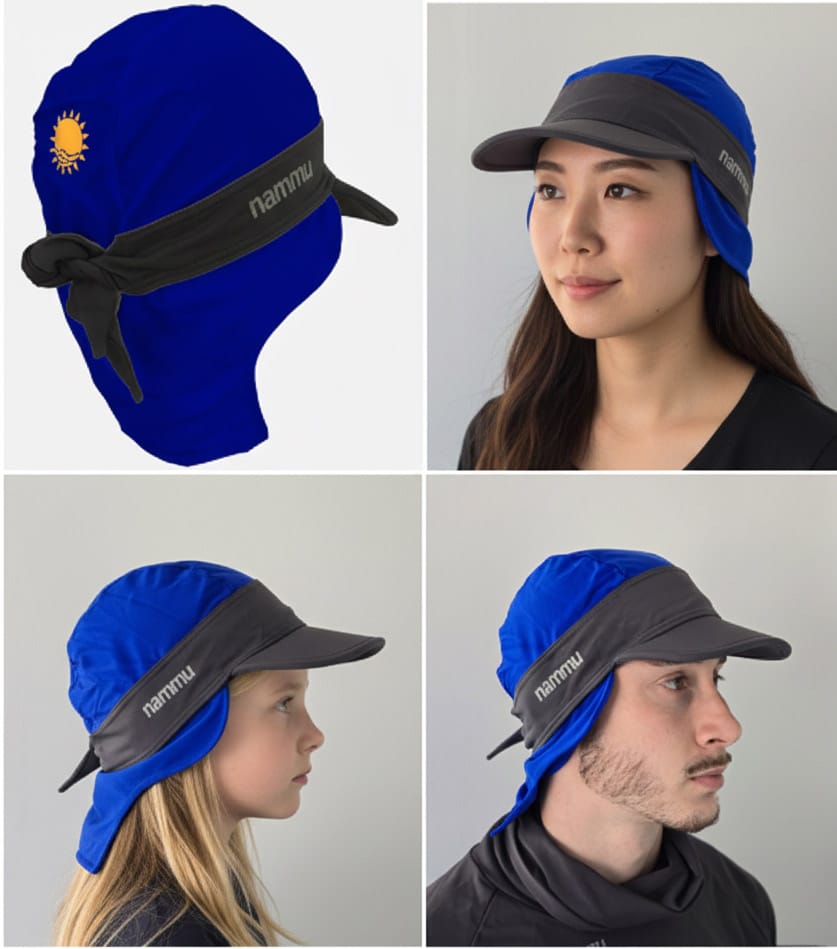
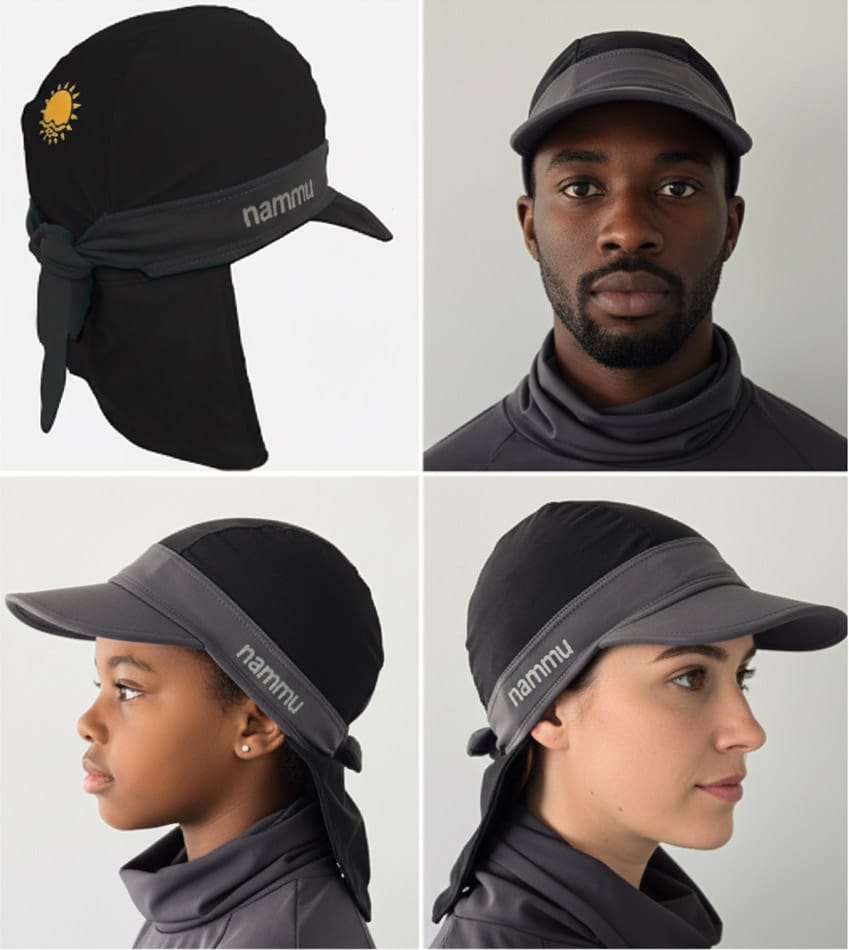
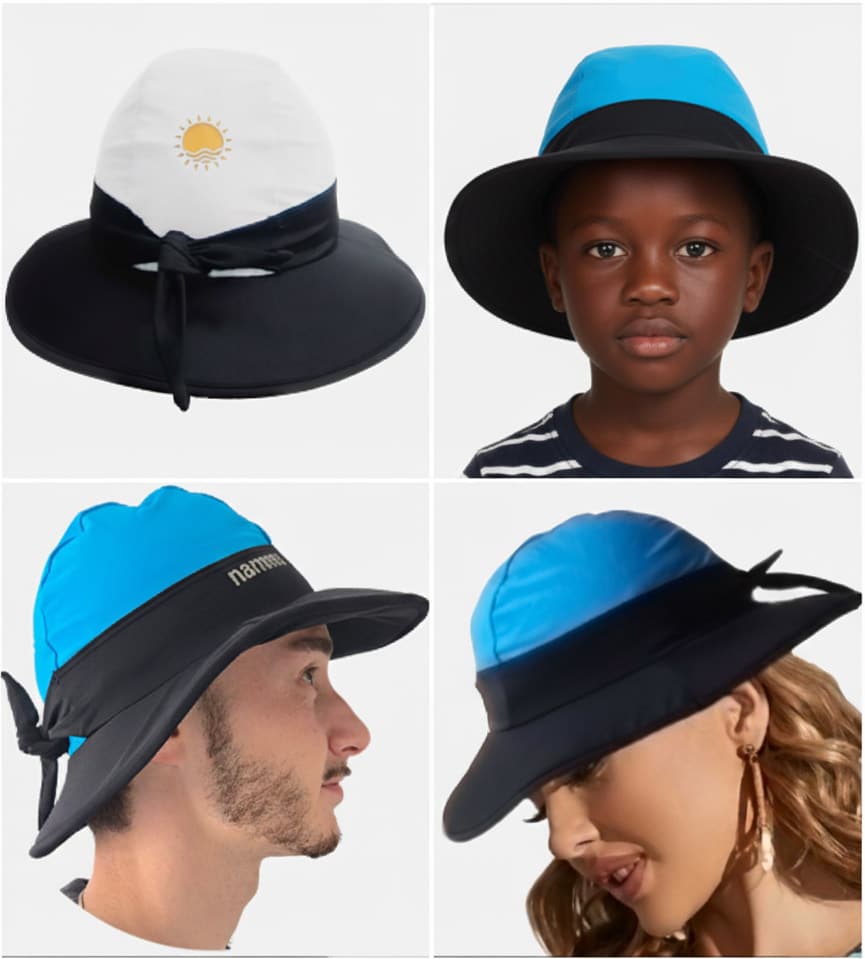
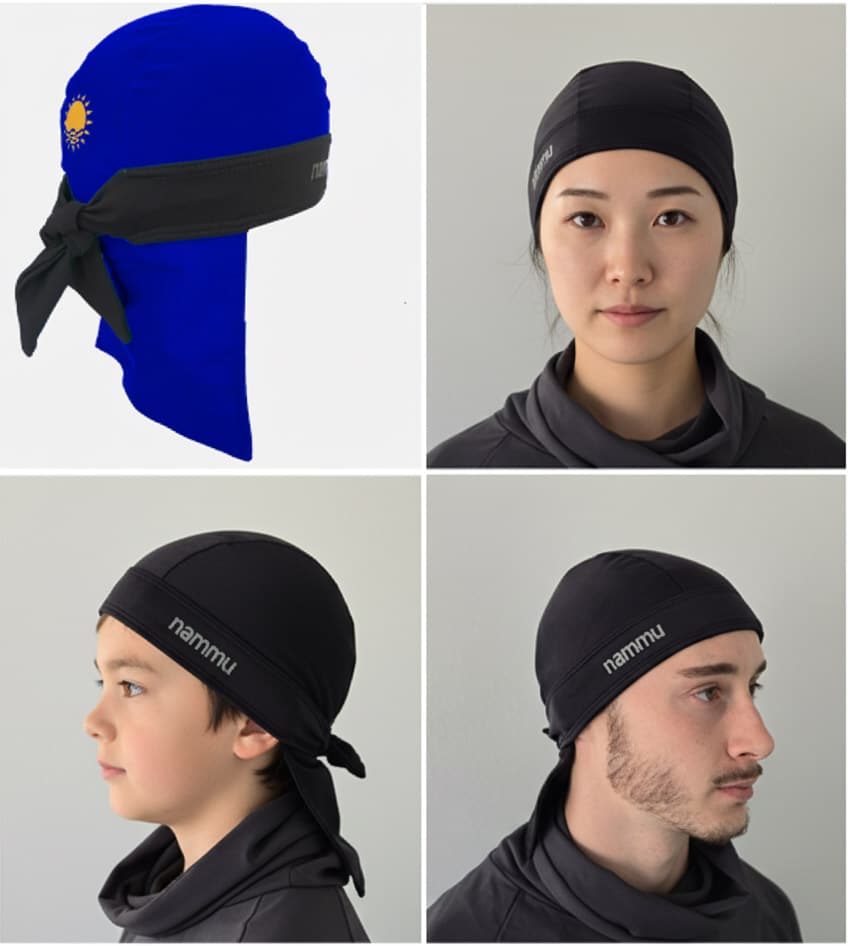
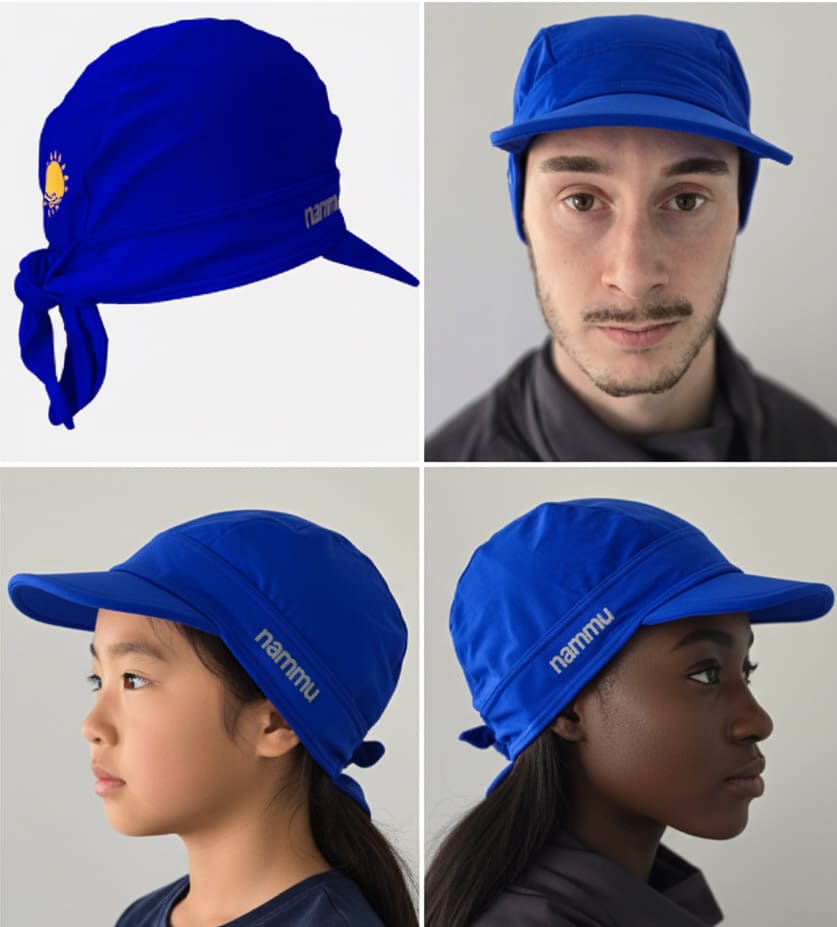
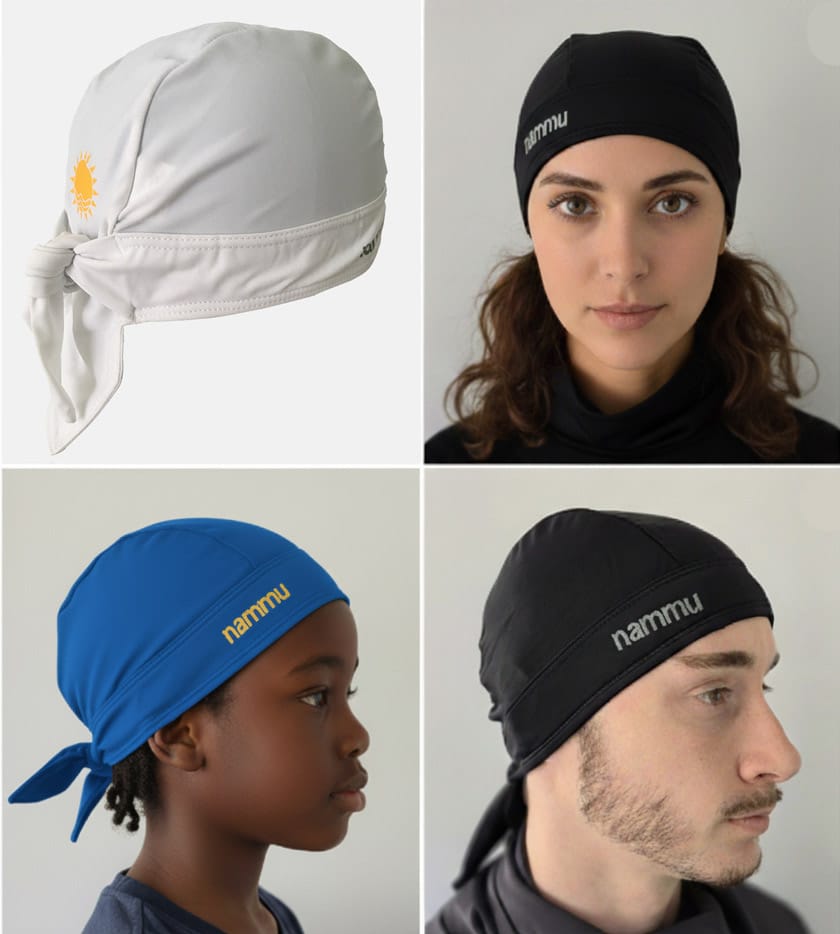
When people think about sun protection, they usually focus on shoulders, faces, and backs. The scalp is often an afterthought. Yet it is one of the most exposed and vulnerable areas of the body, especially in and around water.
Sunburn on the scalp is common, painful, and often underestimated. Water makes this risk even higher.
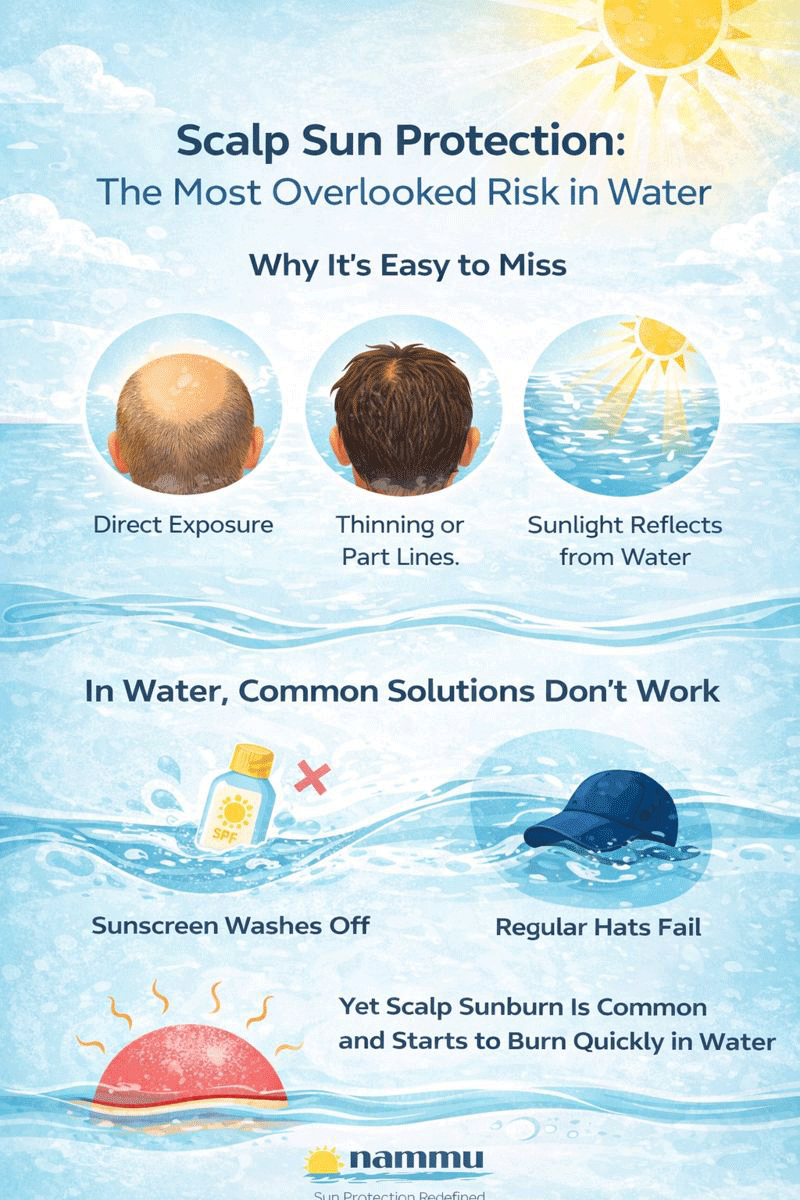
Why the Scalp Is Especially Vulnerable
The scalp has several characteristics that make it more prone to sun damage than many people realize.
Thin, Sensitive Skin
The skin on the scalp is relatively thin and sensitive. When burned, it can be particularly uncomfortable and slow to heal.
Direct Exposure
The scalp sits at the highest point of the body and often receives direct sunlight for long periods, especially during outdoor activities.
Inconsistent Hair Coverage
Hair does not always provide reliable protection. Part lines, thinning areas, short hair, or shaved heads leave sections of the scalp fully exposed to UV radiation.
Why Water Makes Scalp Sunburn More Likely
Water changes both exposure and awareness.
Increased UV Reflection
Water reflects sunlight upward, increasing total UV exposure. This means the scalp may be exposed from above and below at the same time.
Longer Time Outside
Swimming and water play often last longer than expected. Time passes quickly, and exposure accumulates.
Cooling Effect Masks Damage
Water keeps the body cool, which can delay the sensation of burning. By the time discomfort is noticed, damage may already be done.
Why Common Sun Protection Solutions Fall Short
Many common sun protection habits are designed for dry, stationary activities. In water, they often fail.
Sunscreen Is Hard to Apply Consistently
Applying sunscreen to the scalp is inconvenient and frequently uneven. In water, it also washes off gradually and requires frequent reapplication, which is easy to miss.
Regular Hats Don’t Work in Water
Most hats are not designed for swimming or submersion. They slip, float away, or get removed before entering the water.
This issue is explained in more detail here:
https://nammuhats.com/why-regular-hats-fail-in-water/
Once a hat comes off, scalp protection usually ends.
Who This Affects
Scalp sun exposure in water is not limited to one group.
It affects:
-
Adults and children
-
People with thinning hair or shaved heads
-
Swimmers, paddlers, and beachgoers
-
Anyone spending extended time in water
Because scalp exposure is easy to overlook, many people experience repeated burns without realizing how often it’s happening.
A More Practical Way to Think About Scalp Protection
Effective scalp protection in water depends less on intention and more on consistency.
Protection needs to:
-
Stay in place while moving
-
Work when wet
-
Require minimal adjustment
-
Feel comfortable enough to keep using
When sun protection fits naturally into water activities, people are far more likely to maintain it throughout the day.
If you want to learn more about sun protection designed specifically for water environments, you can explore more here:
https://nammuhats.com
Related Posts