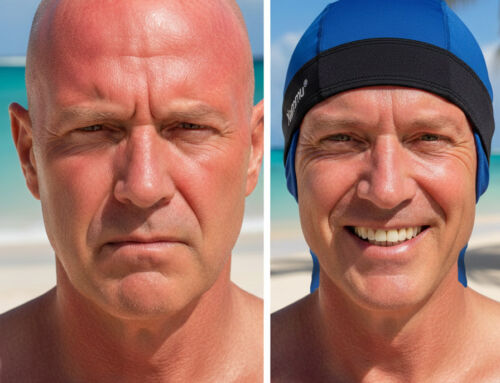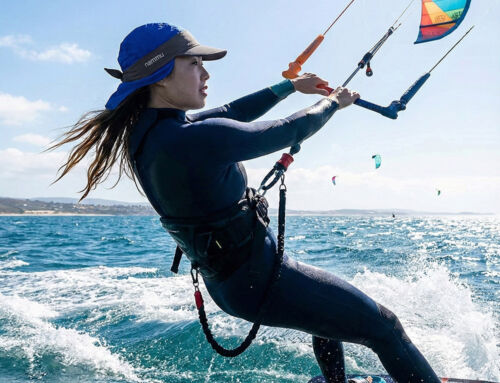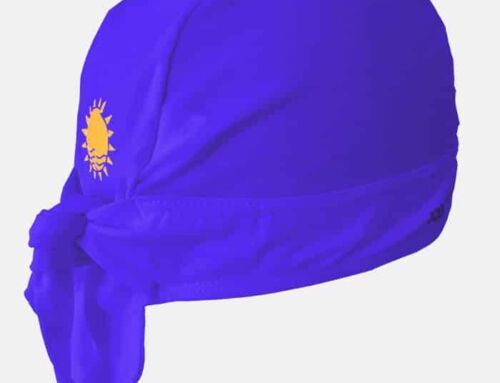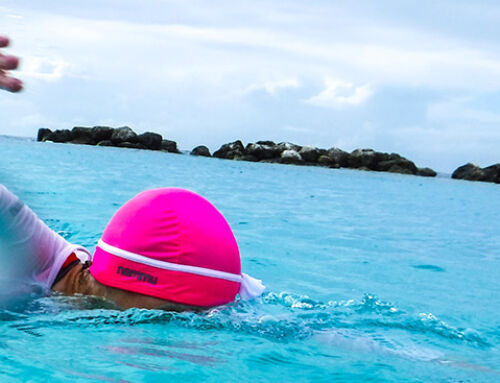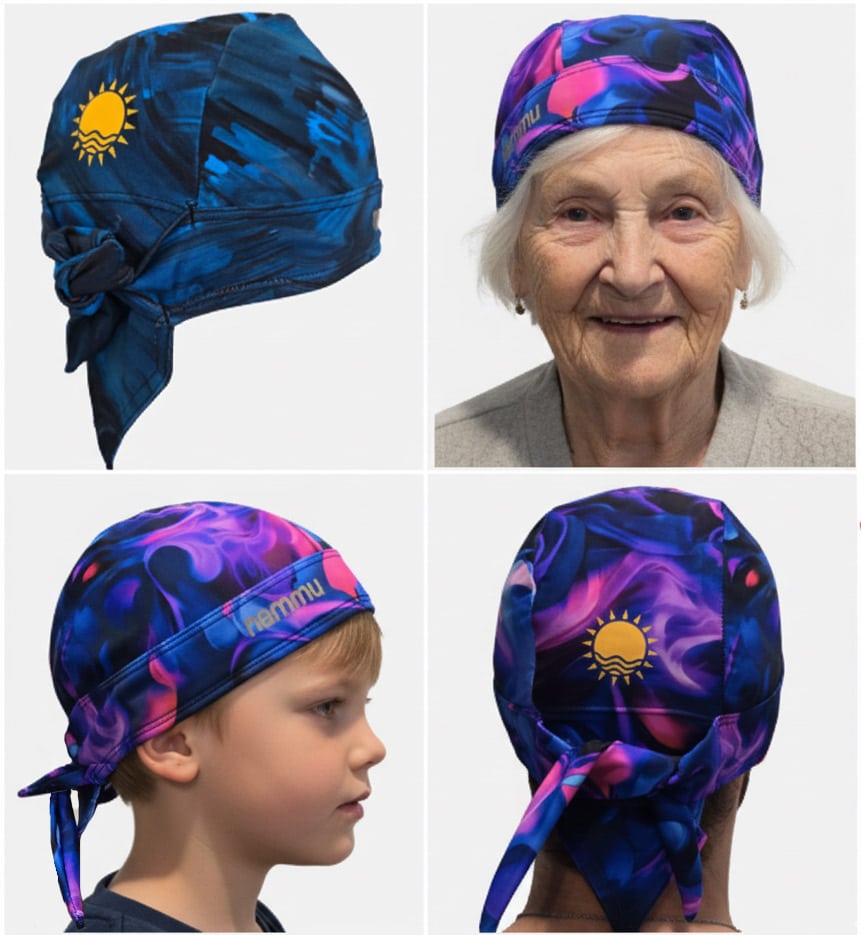
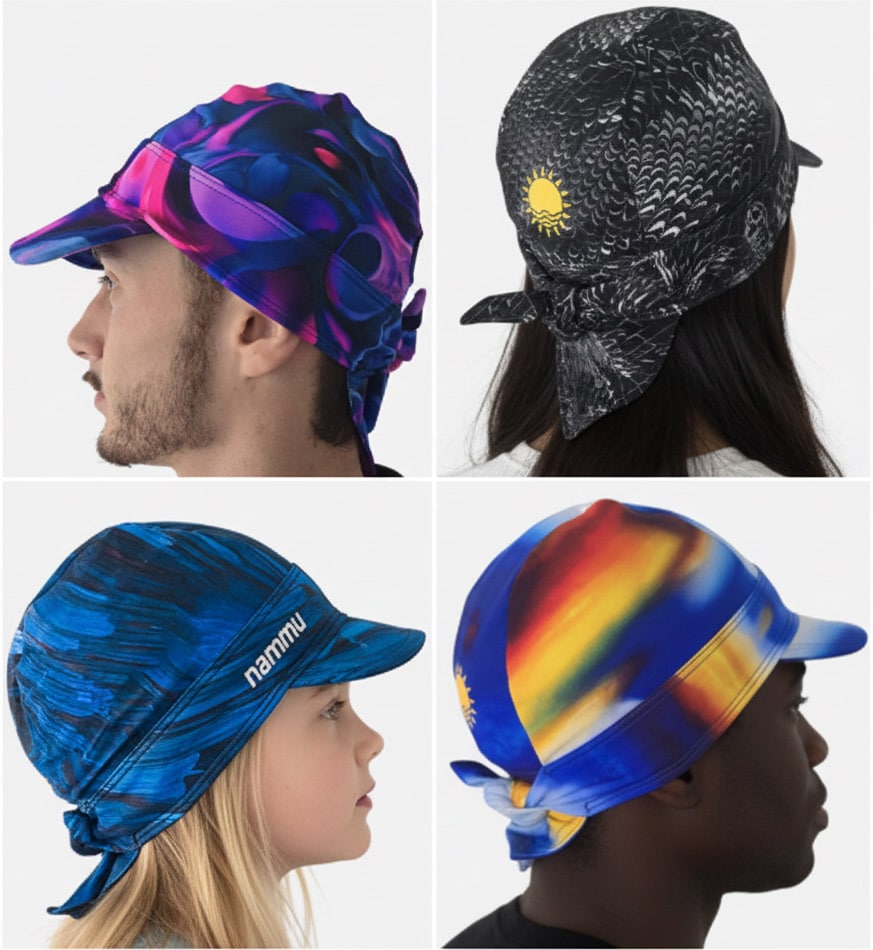
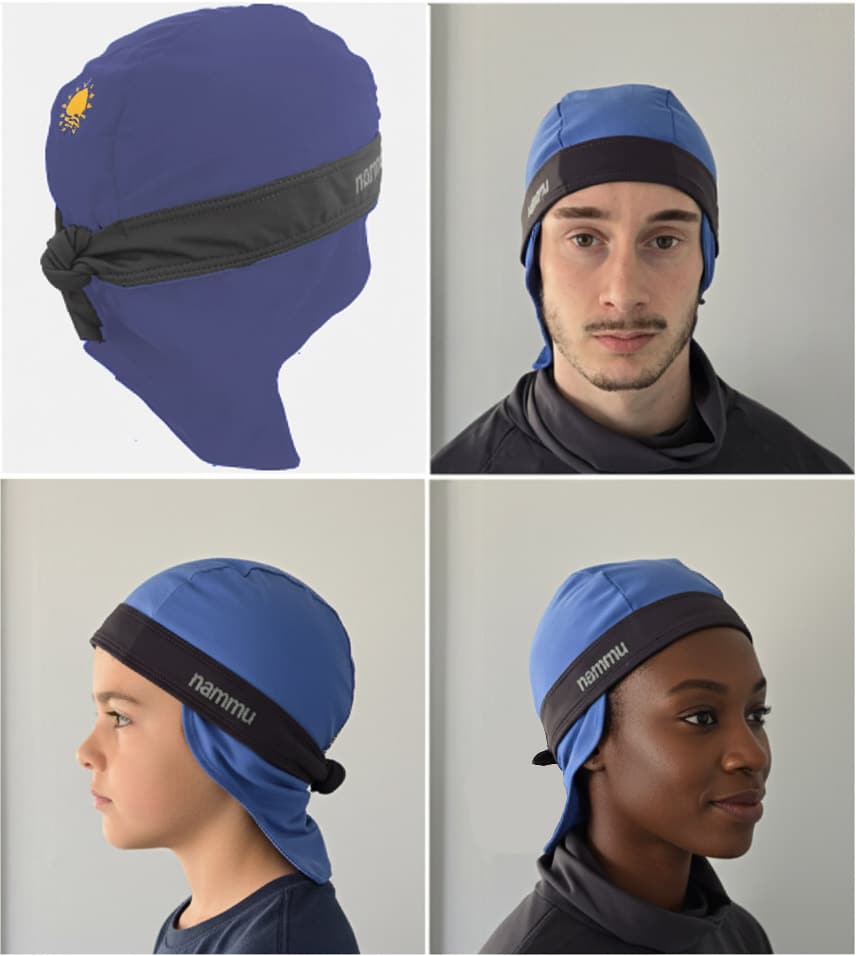
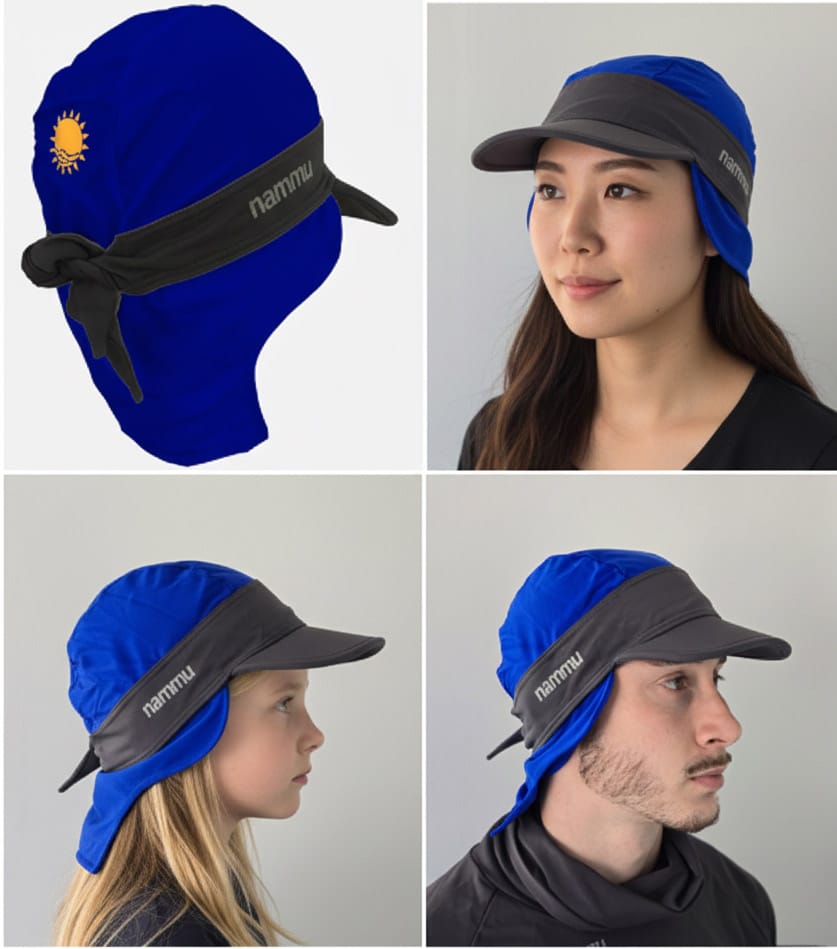
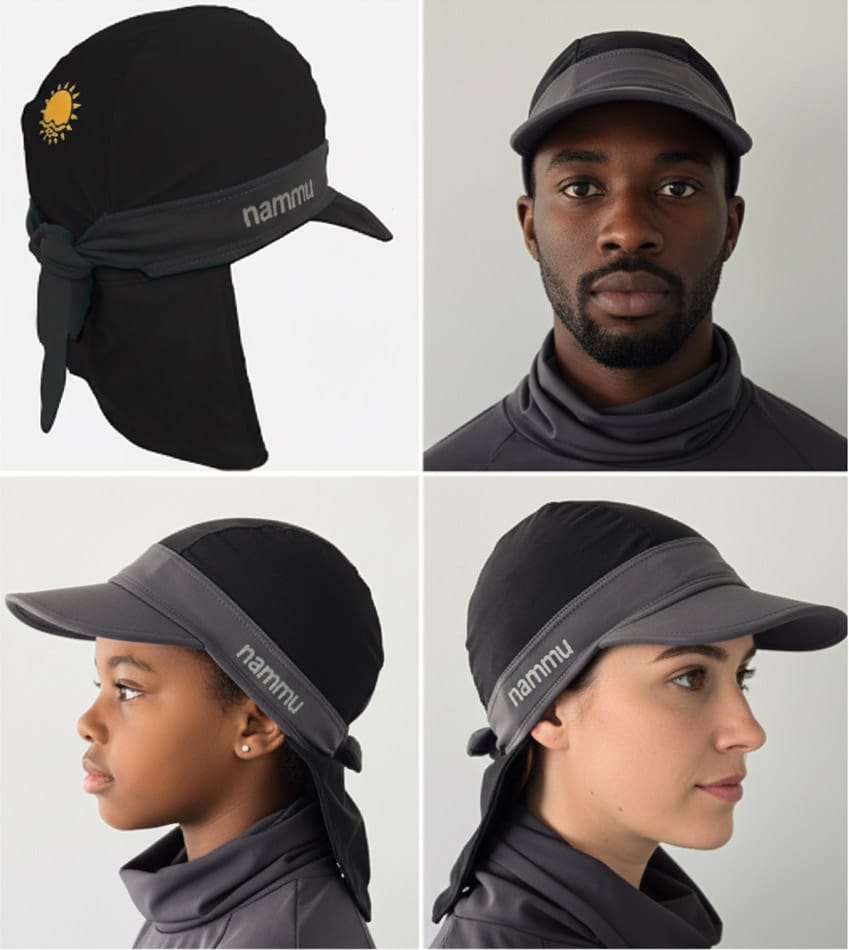
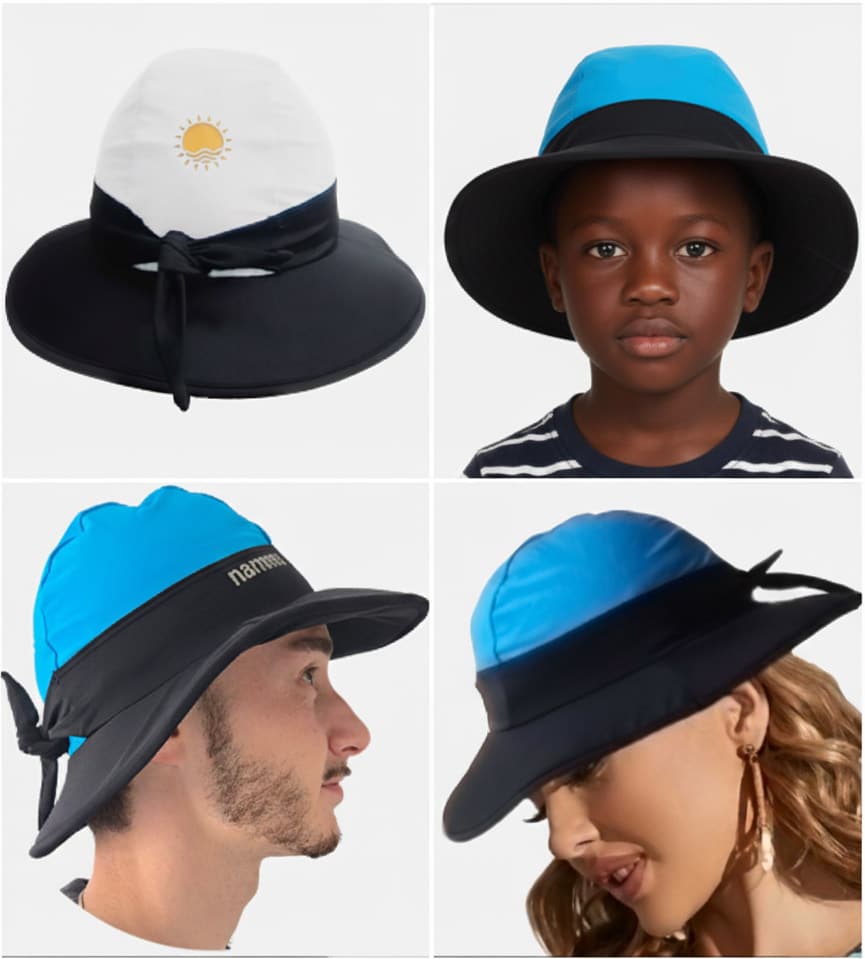
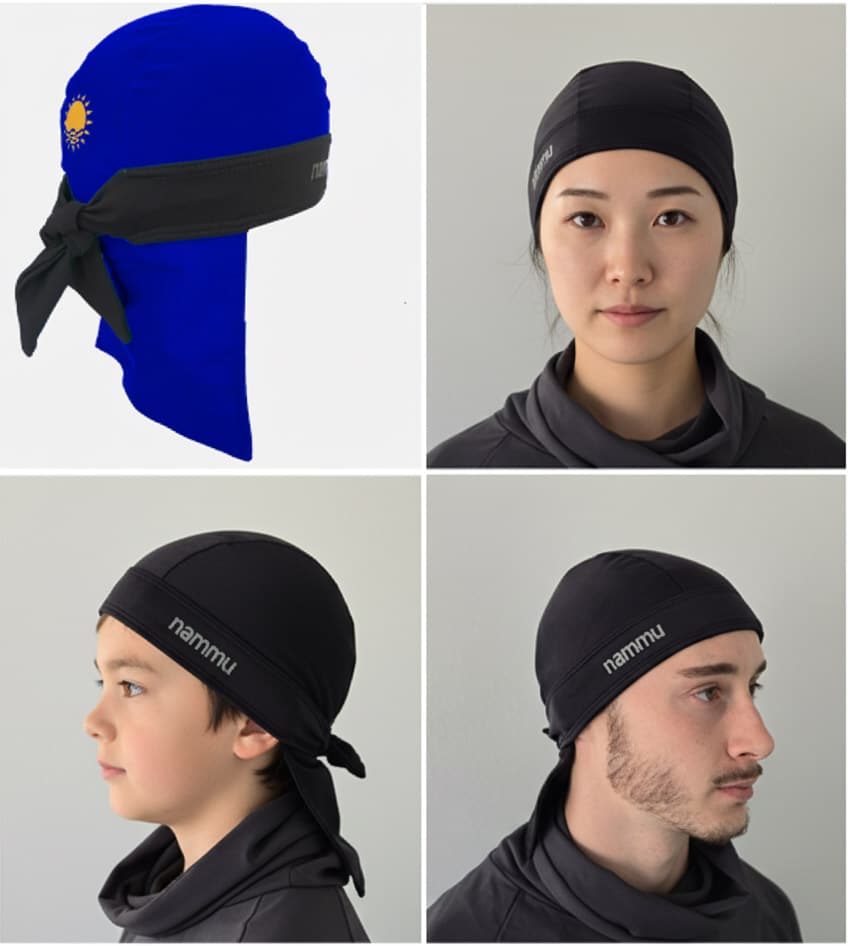
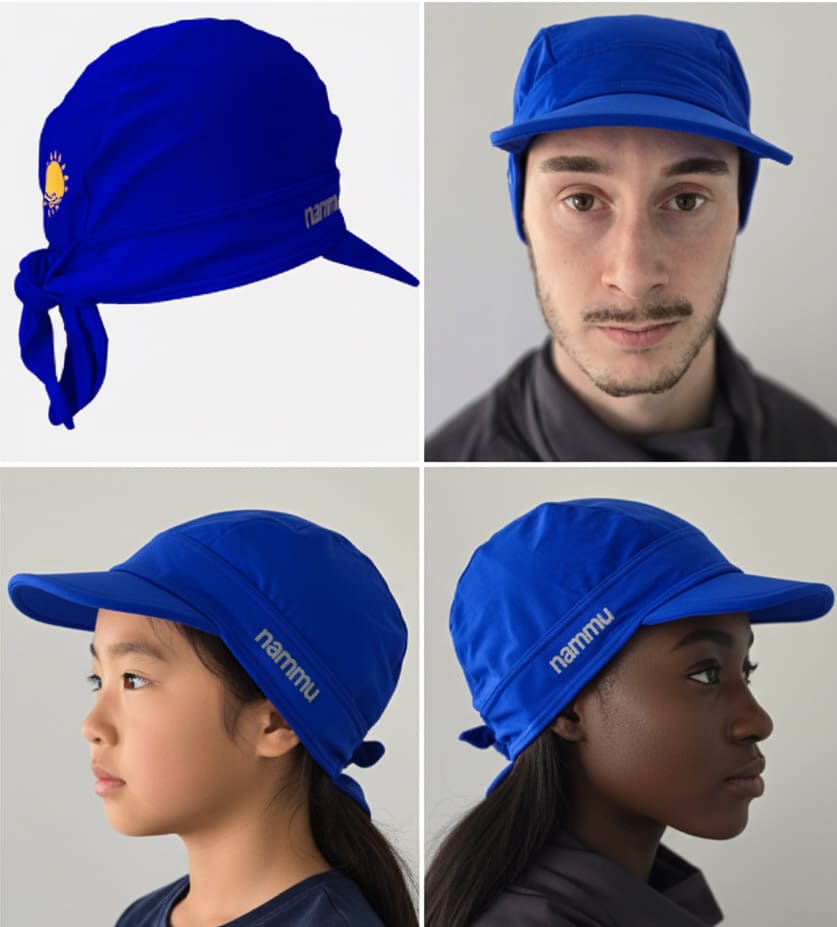
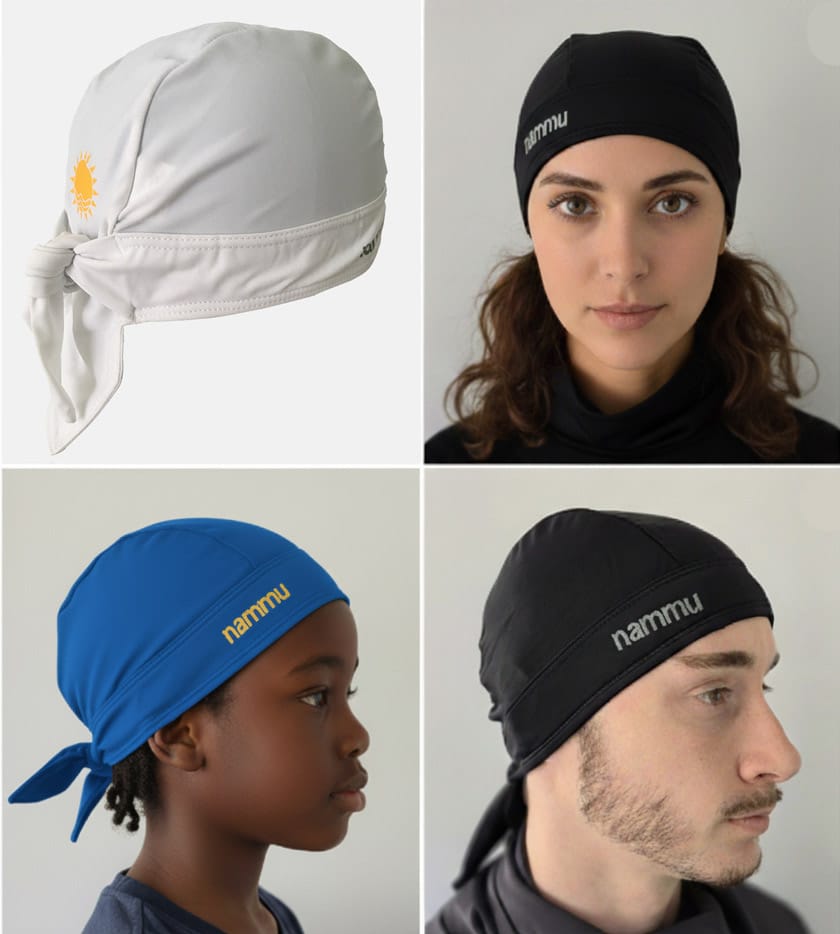
I spend a lot of time in pools, lakes, and at the beach. Over the years, I kept noticing the same thing happening again and again: hats that work perfectly on land simply don’t work once you get into the water.

They slip.

They float away.

They get taken off and left on the side.

And once that happens, sun protection usually ends there.

This isn’t about people forgetting to wear a hat. It’s about most hats not being designed for water in the first place.

Why Regular Hats Fail in Water

The Problem Isn’t Sun Awareness

Most people already understand the importance of sun protection. We apply sunscreen, look for shade, and wear hats outdoors.

The issue shows up specifically when water is involved.

Swimming, splashing, diving, paddling, or even just standing in the water changes everything. Materials behave differently. Fit matters more. Movement is constant.

A regular hat may look fine at the pool, but the moment you get wet, its limits become obvious.

Why Regular Hats Fail in Water

1. They Lose Grip When Wet

Most hats rely on friction to stay in place. Once the fabric and hair are wet, that friction disappears.

  • Hats slide back or twist

  • Brims drop into the eyes

  • Many fall off entirely

This happens during swimming, diving, or even light movement.

2. They Are Designed to Stay Dry

Most common hats are made for dry conditions.

  • Fabrics absorb water

  • Hats become heavy

  • Structure and fit break down

Once wet, they stop behaving the way they were designed to.

3. They Float Away

When a regular hat comes off in water, it usually floats.

  • It drifts away quickly

  • It’s hard to retrieve

  • It often gets left behind

Once that happens, head protection is usually done for the day.

4. They Interfere With Water Activities

Regular hats often clash with water gear or movement.

  • They block vision

  • They don’t work well with goggles or masks

  • They feel uncomfortable when wet

Because of this, people remove them before entering the water and rarely put them back on.

5. They Require Constant Adjusting

In water, anything that needs frequent adjusting simply doesn’t last.

  • Hats slip repeatedly

  • People stop fixing them

  • Eventually, they come off

The more effort required, the less likely they are to stay on.

What Actually Works in Water

Water changes the rules. Head protection that works in water needs different priorities.

Secure Fit

A water-appropriate head covering needs to stay in place during:

  • Swimming

  • Submersion

  • Splashing and movement

Without relying on friction alone.

Lightweight, Quick-Dry Materials

Materials designed for water should:

  • Not become heavy when wet

  • Dry quickly

  • Stay comfortable in and out of the water

Consistent Coverage

In water, sun exposure often increases due to:

  • Reflection

  • Longer time outdoors

  • Reduced awareness of exposure

Coverage needs to stay put, not shift or disappear.

Compatibility With Water Gear

Anything worn in water should work alongside:

  • Goggles

  • Masks

  • Snorkels

Do not fight against them.

Why This Matters

When head protection fails in water, people usually stop using it altogether.

Not because they don’t care about sun safety, but because the solution doesn’t match the activity.

This is why sun protection in water is often inconsistent, even among people who are careful everywhere else.

A Different Way to Think About Head Protection

Instead of trying to adapt land hats for water, it makes more sense to design for water from the start.

When protection:

  • Stays on

  • Feels comfortable

  • Doesn’t interrupt the activity

People keep wearing it. And that’s when it actually works.