For many people going through or recovering from chemotherapy, being in the water is one of the most joyful and restorative things they can do. Swimming reduces stress, improves circulation, and brings a sense of normalcy back to everyday life.
But chemotherapy changes the skin’s relationship with the sun. Understanding those changes — and dressing for them — means you can enjoy the water fully and safely.
How Chemotherapy Affects Sun Sensitivity
Chemotherapy drugs can increase photosensitivity, making the skin more reactive to UV radiation than usual. This effect can last during treatment and for months after it ends. Common experiences include:
- Burning more quickly than before treatment
- Skin reacting to UV exposure even on cloudy days
- Greater sensitivity in areas where hair loss has occurred, including the scalp
- Thinner, more fragile skin that takes longer to heal from sunburn
This does not mean avoiding the sun or the water. It means being more intentional about protection.
The Most Vulnerable Area: The Scalp
Hair loss is one of the most common side effects of chemotherapy. For swimmers and water lovers, this creates a specific challenge: the scalp is now fully exposed to UV radiation — including the intensified UV that comes from water reflection.
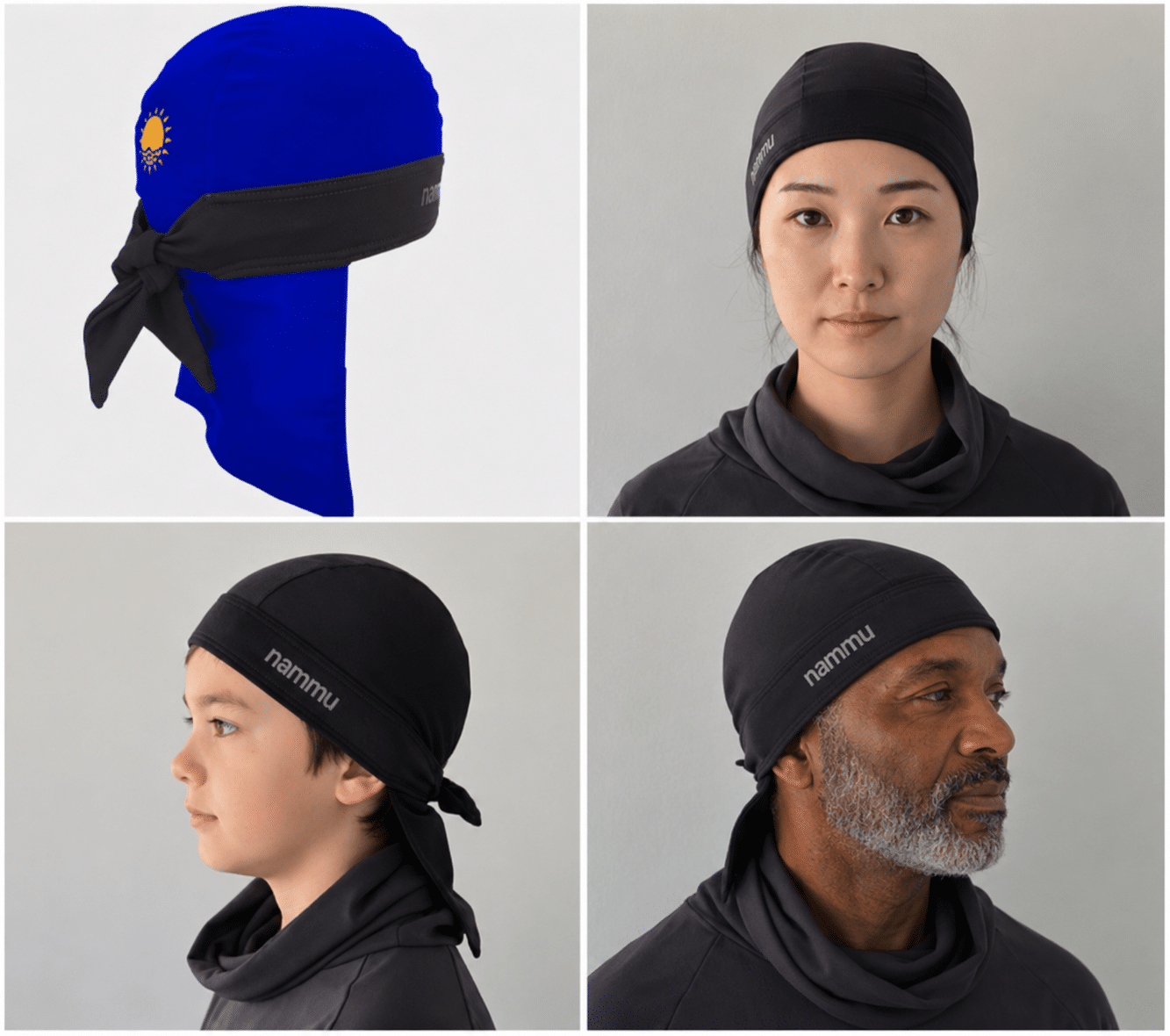
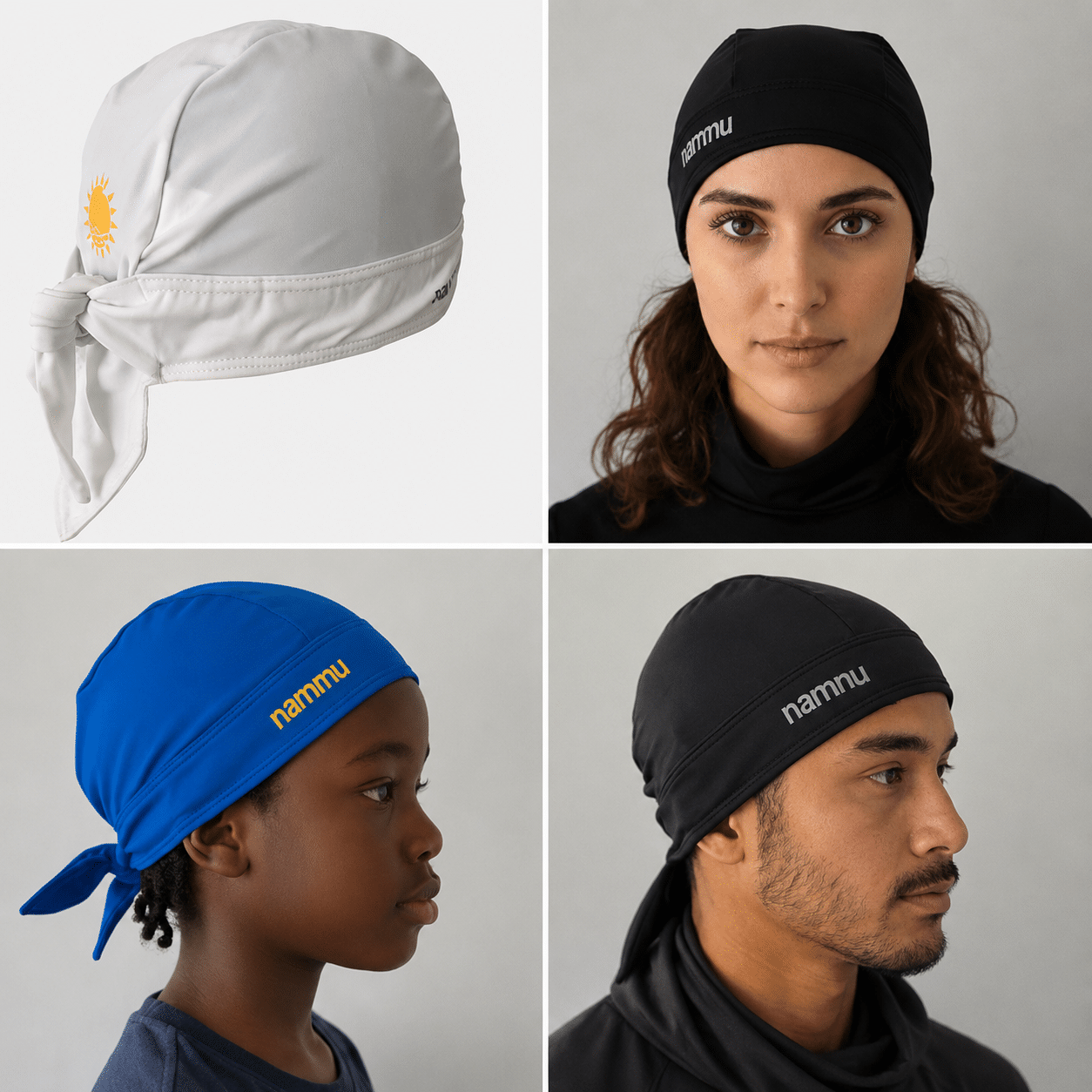
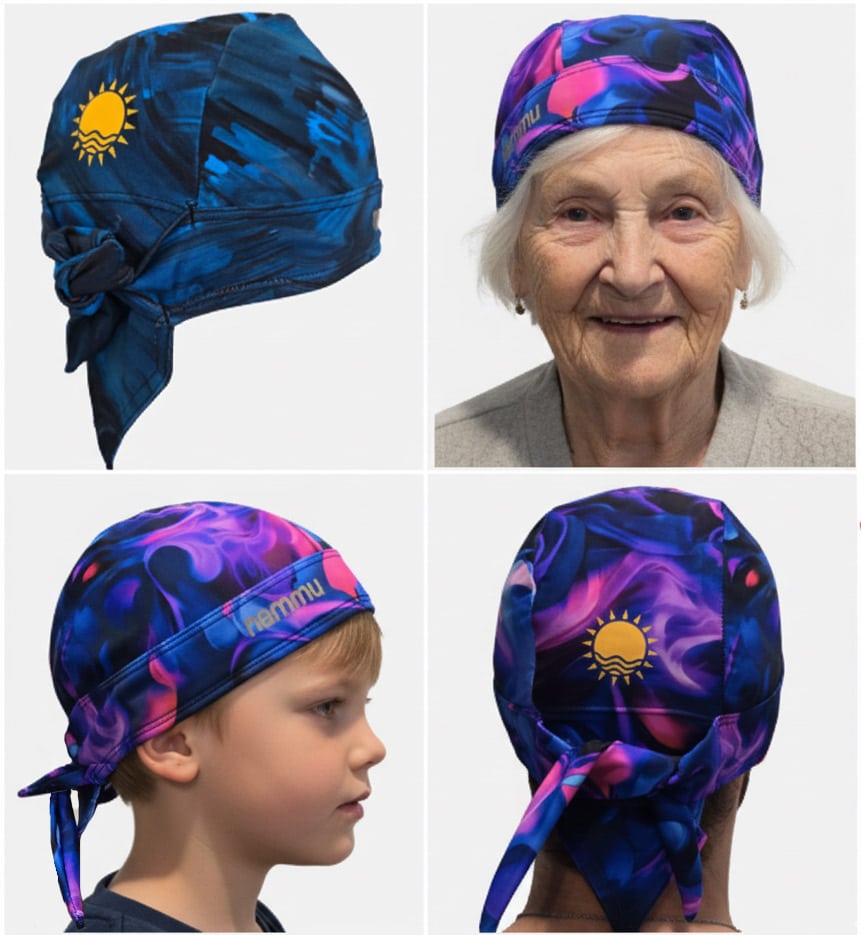
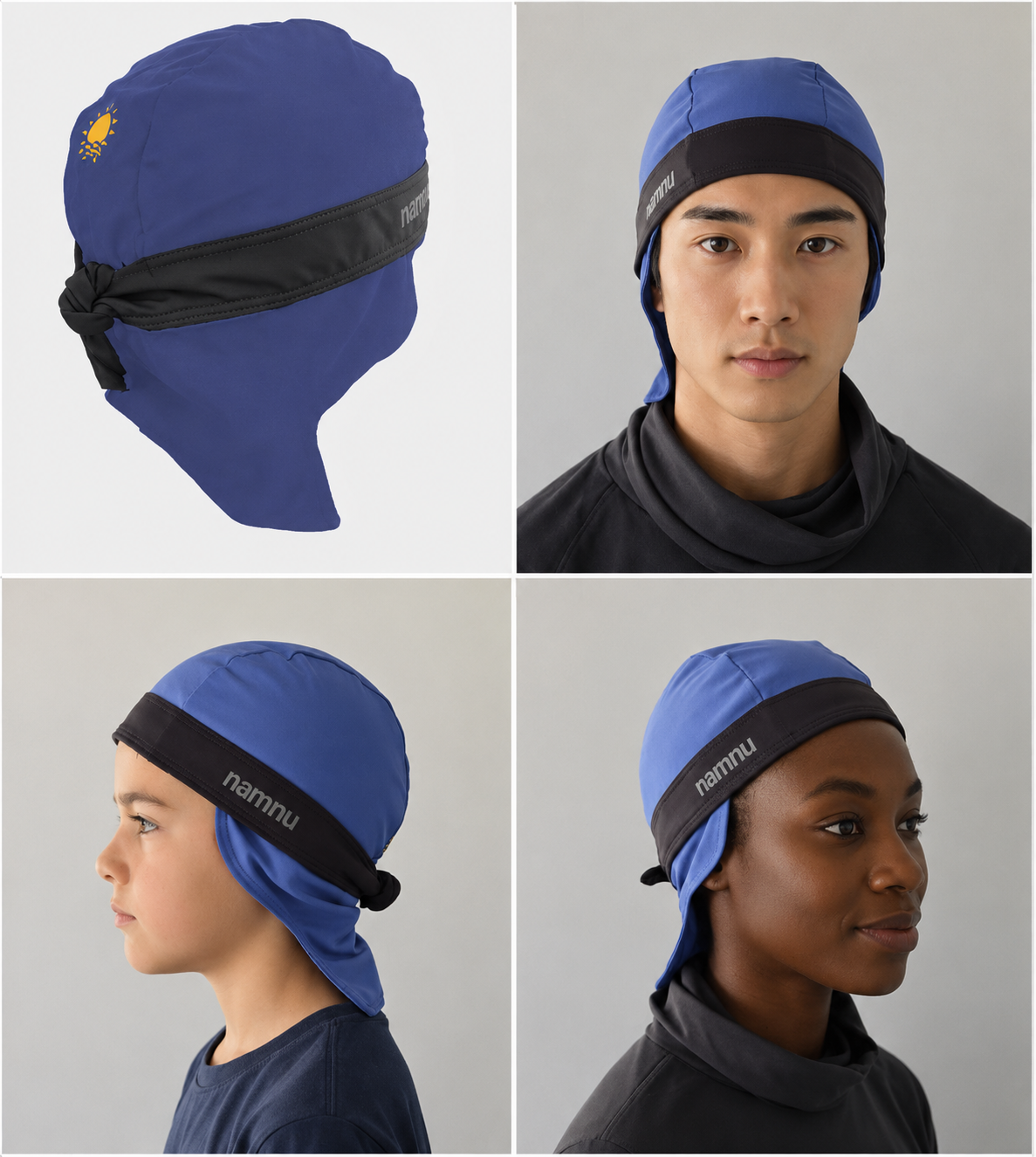
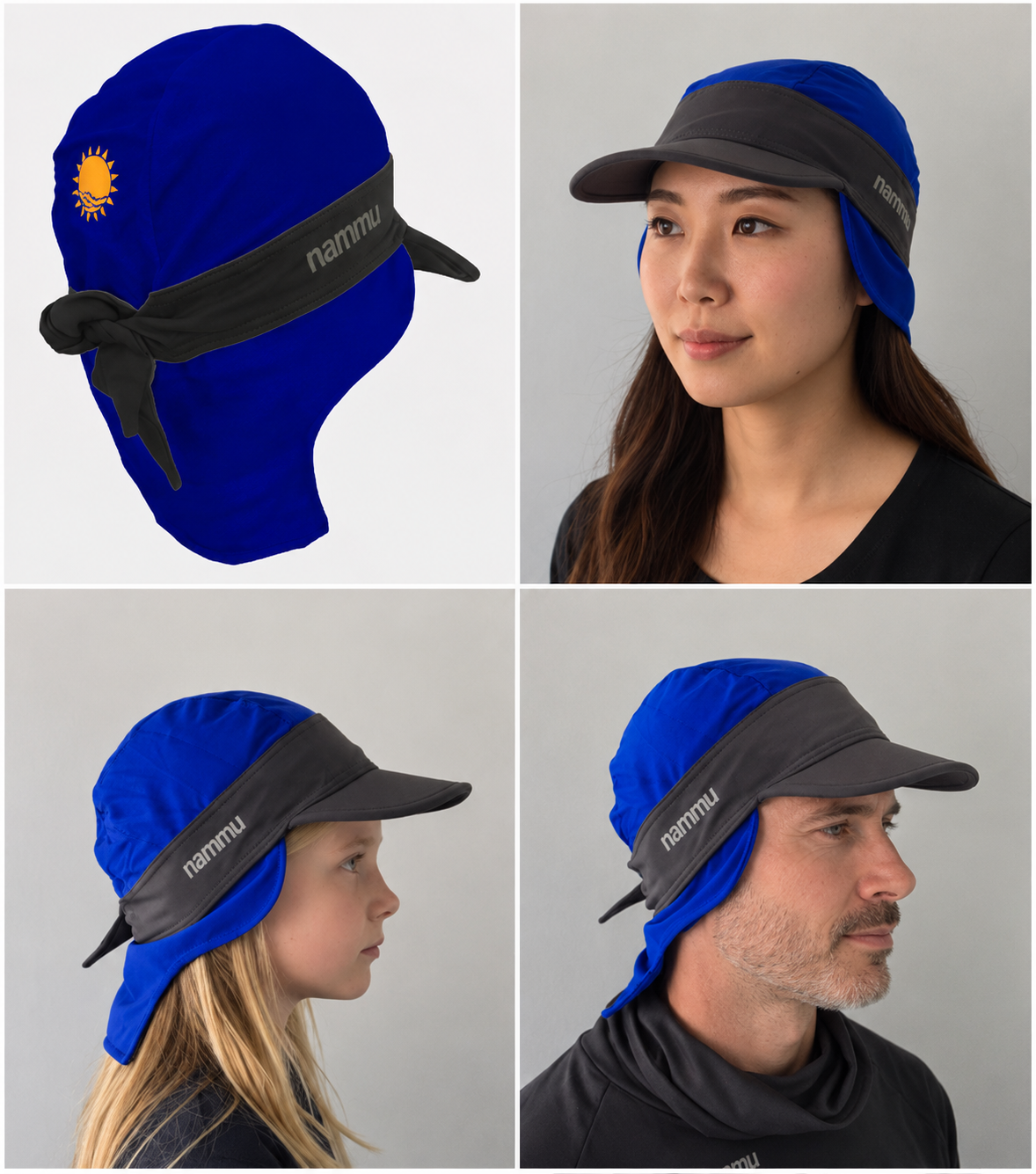
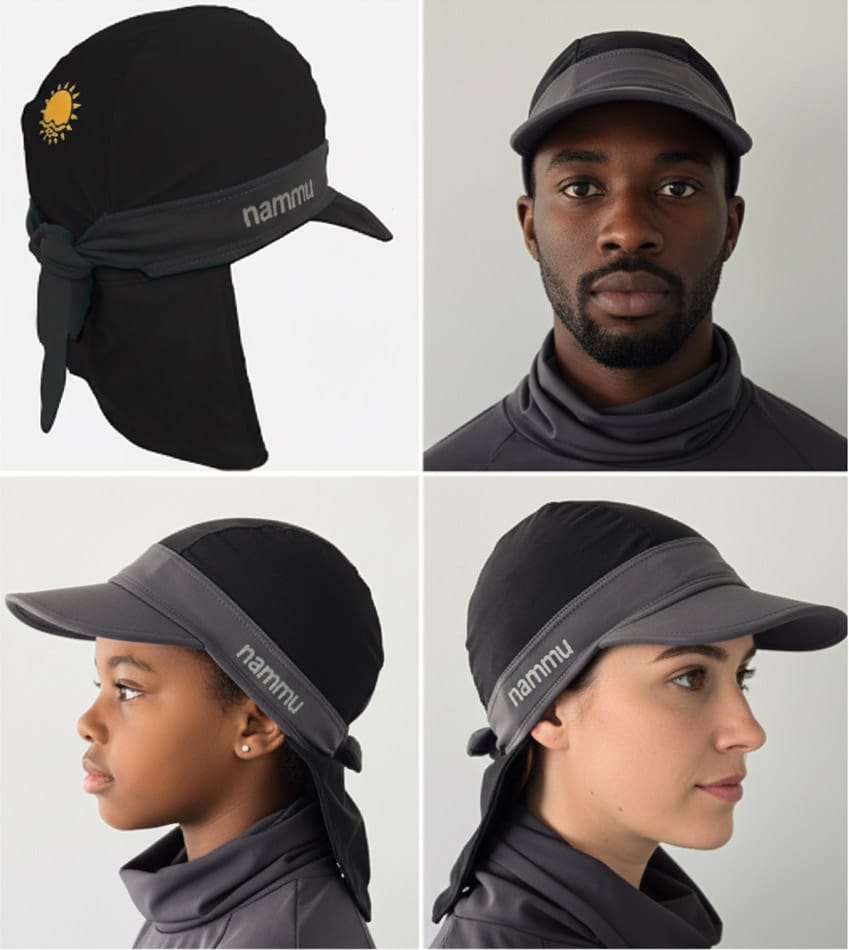
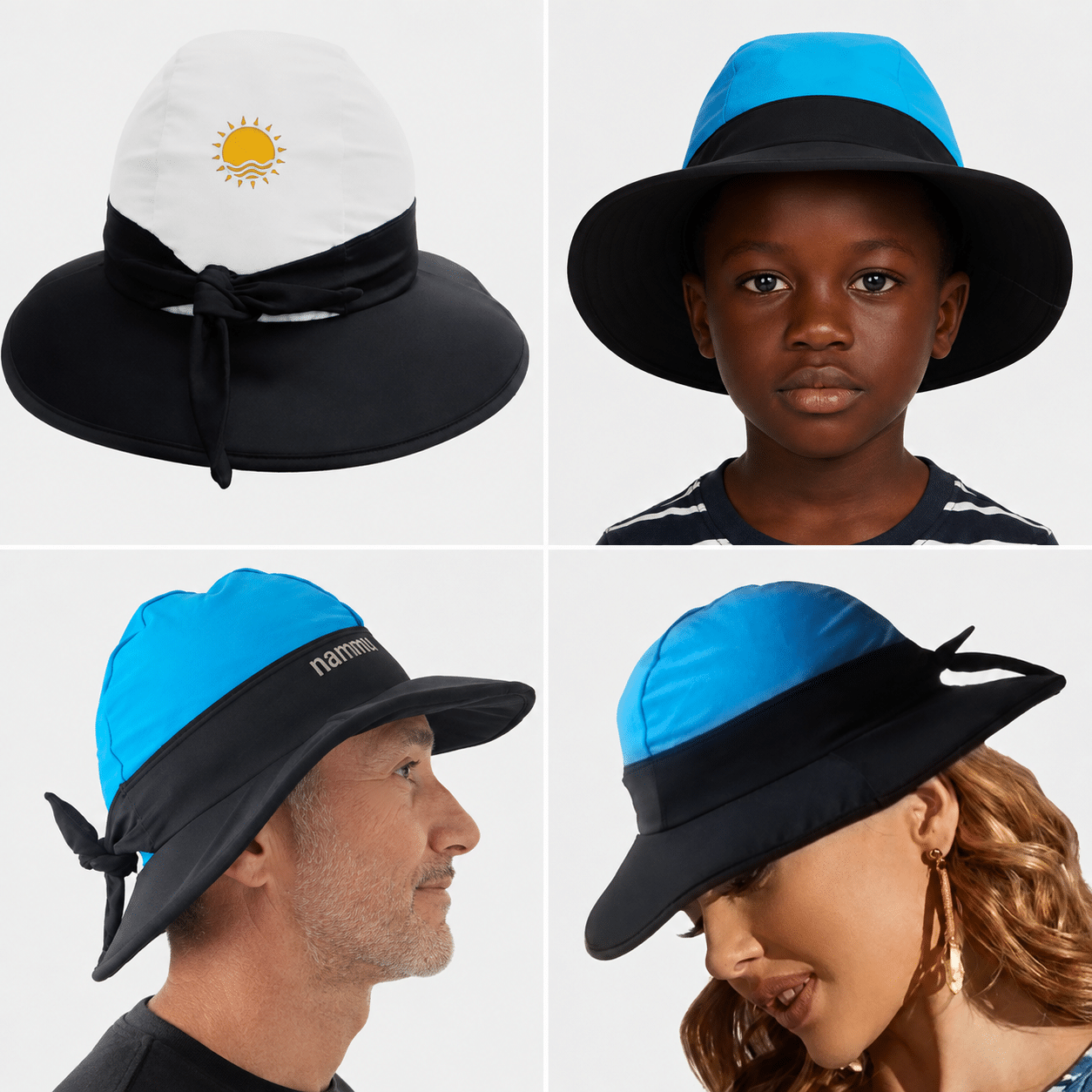
A UPF 50+ swim hat is the most practical solution. It covers the scalp continuously without the need to apply sunscreen to sensitive, possibly tender skin. All Nammu hats are made from soft, lightweight nylon and spandex with no irritating seams or tight bands.
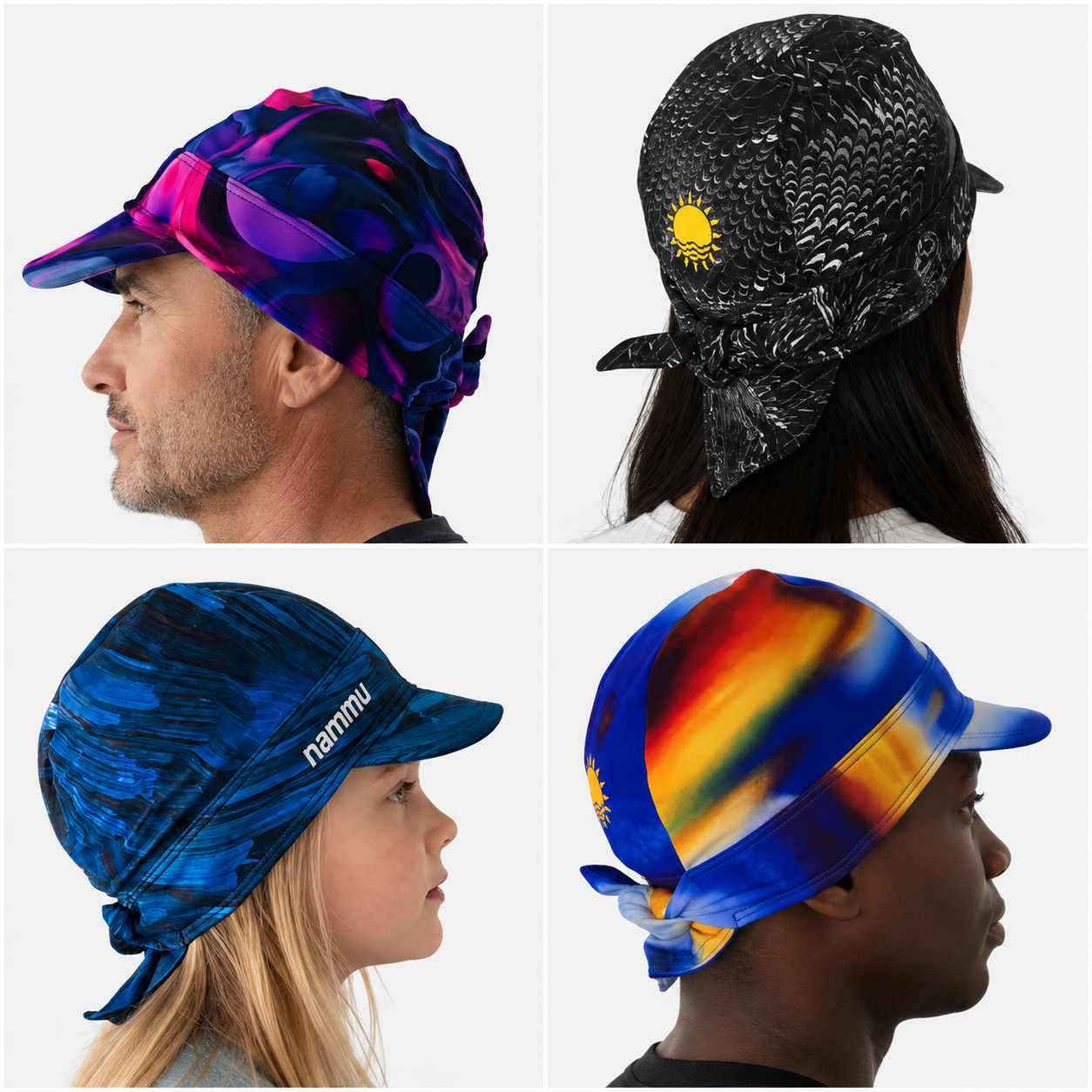
The Classic Nammu is the most popular choice — a relaxed, comfortable fit that works for pool and open water, stays secure without pressure, and comes in a wide range of colors and prints.
What to Wear Swimming During and After Chemotherapy
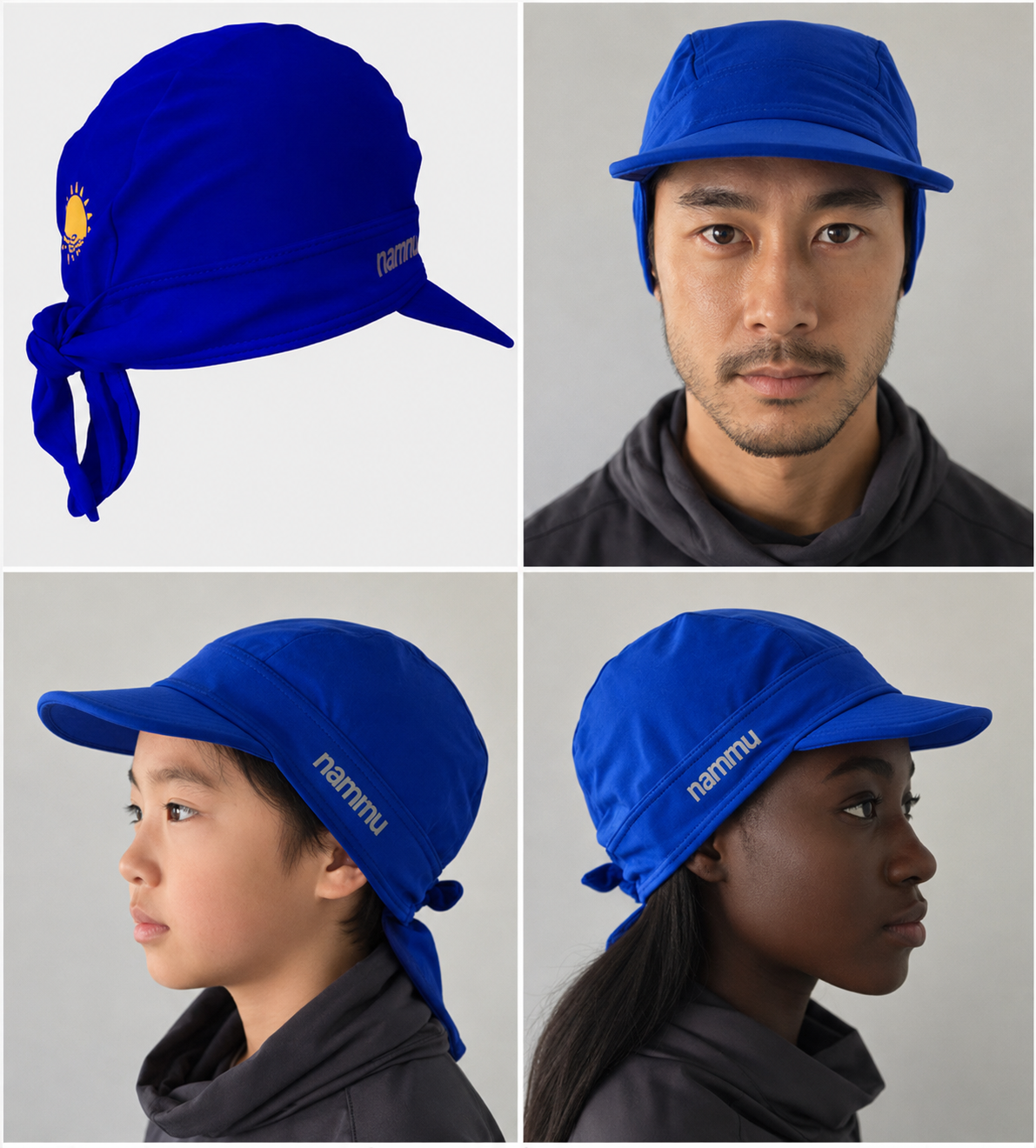
Swim hat: Choose a UPF 50+ option that fits comfortably without tight elastic. The Nammu Classic or Classic with Visor are gentle on sensitive scalps.
Swim shirt: A UPF 50+ swim shirt protects the torso and arms without sunscreen contact on skin that may be sensitive or reactive.
Sun wrap: A lightweight UV sun wrap provides full coverage between swims, during rest periods on the beach or poolside, and over the shoulders on overcast days when UV is still present.
Mineral sunscreen: For any exposed skin, choose a fragrance-free mineral sunscreen (zinc oxide or titanium dioxide). Chemical formulas can irritate skin that is sensitized by treatment.
Practical Tips
- Swim in the early morning or late afternoon when UV levels are lower.
- Check the UV index before heading out. Even on cloudy days, UV can be high.
- Talk to your oncology team about any specific restrictions related to your treatment protocol and swimming, particularly if you have a port or line.
- Listen to your skin. If any area becomes irritated, cover it and rest in the shade.
Swimming through and after chemotherapy is an act of resilience. With the right gear, you can do it safely and comfortably.
Shop adaptive swim gear for all needs →
Frequently Asked Questions
Does chemotherapy make skin more sensitive to the sun? It can, increased photosensitivity means skin may burn more quickly and react to UV exposure even on cloudy days, an effect that can last during treatment and for months after.
Why is the scalp a particular concern during chemotherapy? Hair loss leaves the scalp fully exposed to UV radiation, including intensified UV from water reflection while swimming.
What kind of swim hat is recommended during or after chemotherapy? A UPF 50+ swim hat made from soft, lightweight fabric with no irritating seams, the Classic Nammu is a popular choice, covering the scalp continuously without needing sunscreen on sensitive skin.
Related Posts