For many people with psoriasis, swimming is a double-edged experience. On one hand, moderate sun exposure and saltwater can actually soothe psoriasis plaques for some people. On the other, chlorinated pools can irritate and dry out affected skin, chemical sunscreens can trigger reactions, and prolonged UV exposure without proper protection can cause flares rather than relief.
The key is finding the balance — protecting the skin without adding more irritants to the mix.
Psoriasis and Sun: A Complex Relationship
Moderate UV exposure is sometimes recommended as part of psoriasis management — phototherapy uses controlled UV to reduce plaque activity. However, sunburn is a known psoriasis trigger. The Koebner phenomenon means that skin trauma including sunburn can cause new psoriasis plaques to develop in previously unaffected areas.
This makes controlled sun protection — enough to prevent burning but not so much as to block all beneficial UV — the goal for many psoriasis swimmers. UPF 50+ clothing over the most affected or sensitive areas, with limited controlled sun exposure on patches that may benefit, is a practical approach for many people.
Why Chemical Sunscreen Is Problematic for Psoriasis Skin
Many conventional sunscreens contain fragrances, preservatives, and chemical UV filters that are common irritants for psoriasis-prone skin. Application to plaques or peri-lesional skin can cause stinging, redness, or flares. Sunscreen also washes off in water — requiring reapplication to potentially irritated skin multiple times per session.
UPF clothing eliminates sunscreen contact with affected skin entirely for the areas it covers — reducing irritation risk and the burden of repeated reapplication.
What to Wear
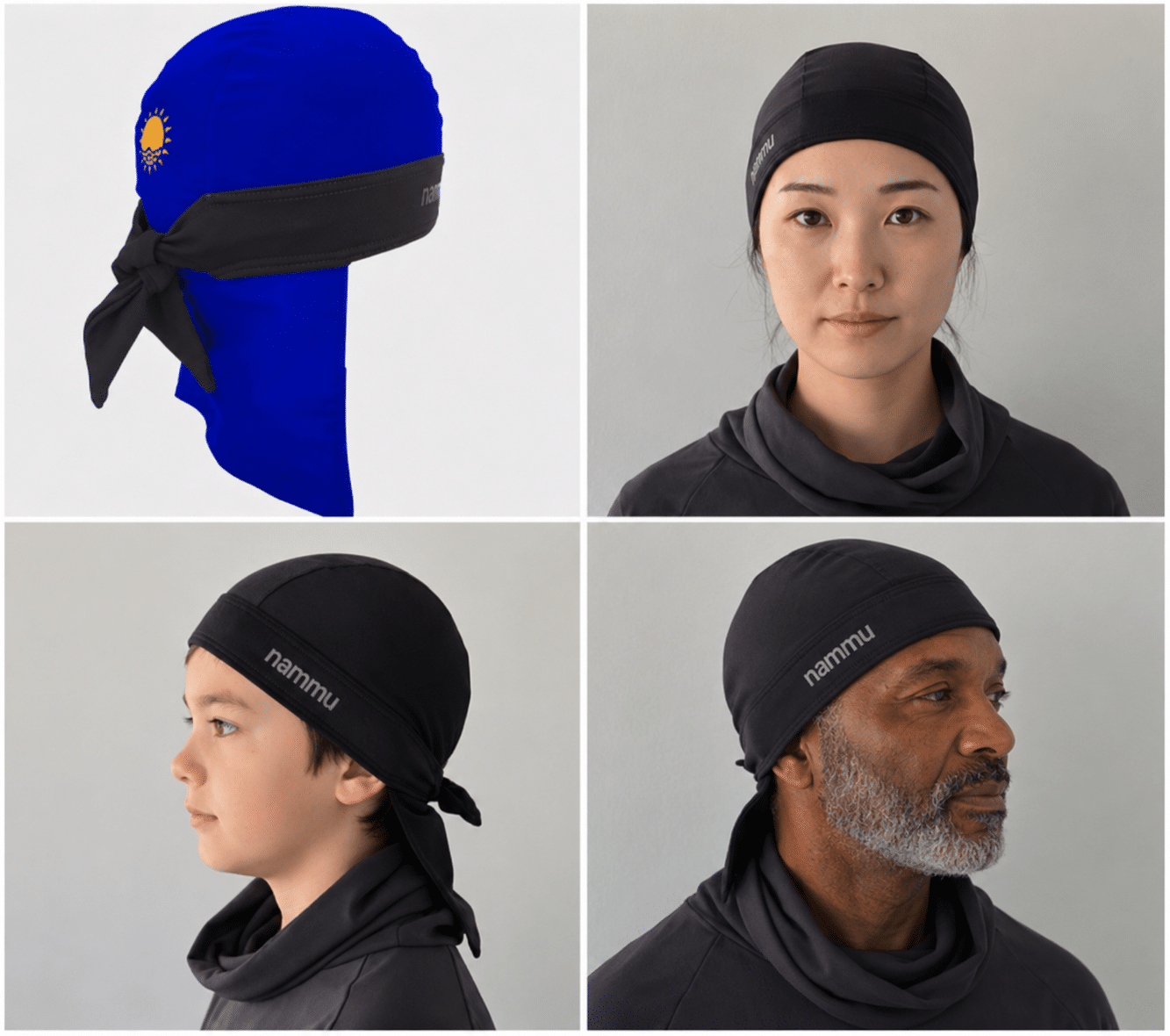
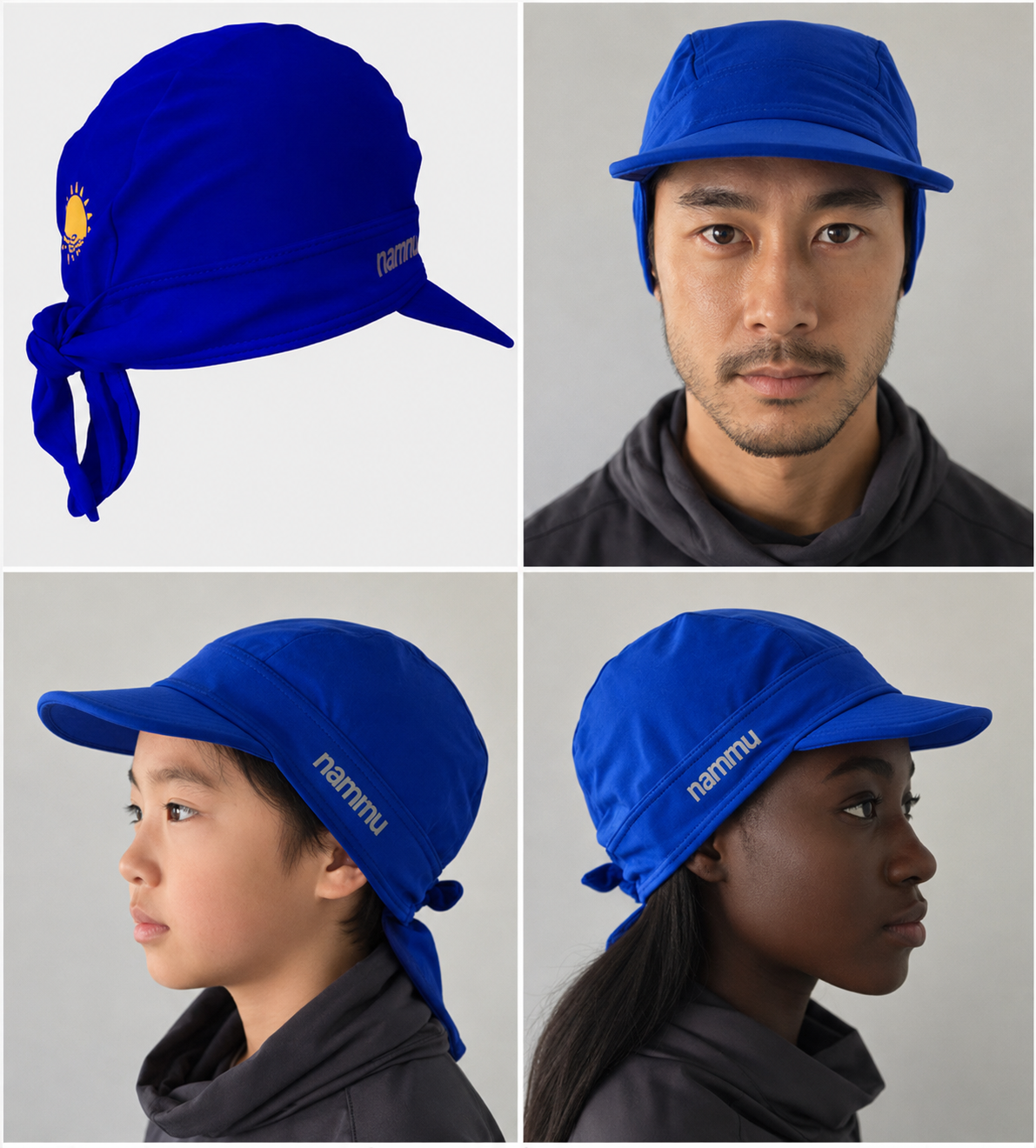
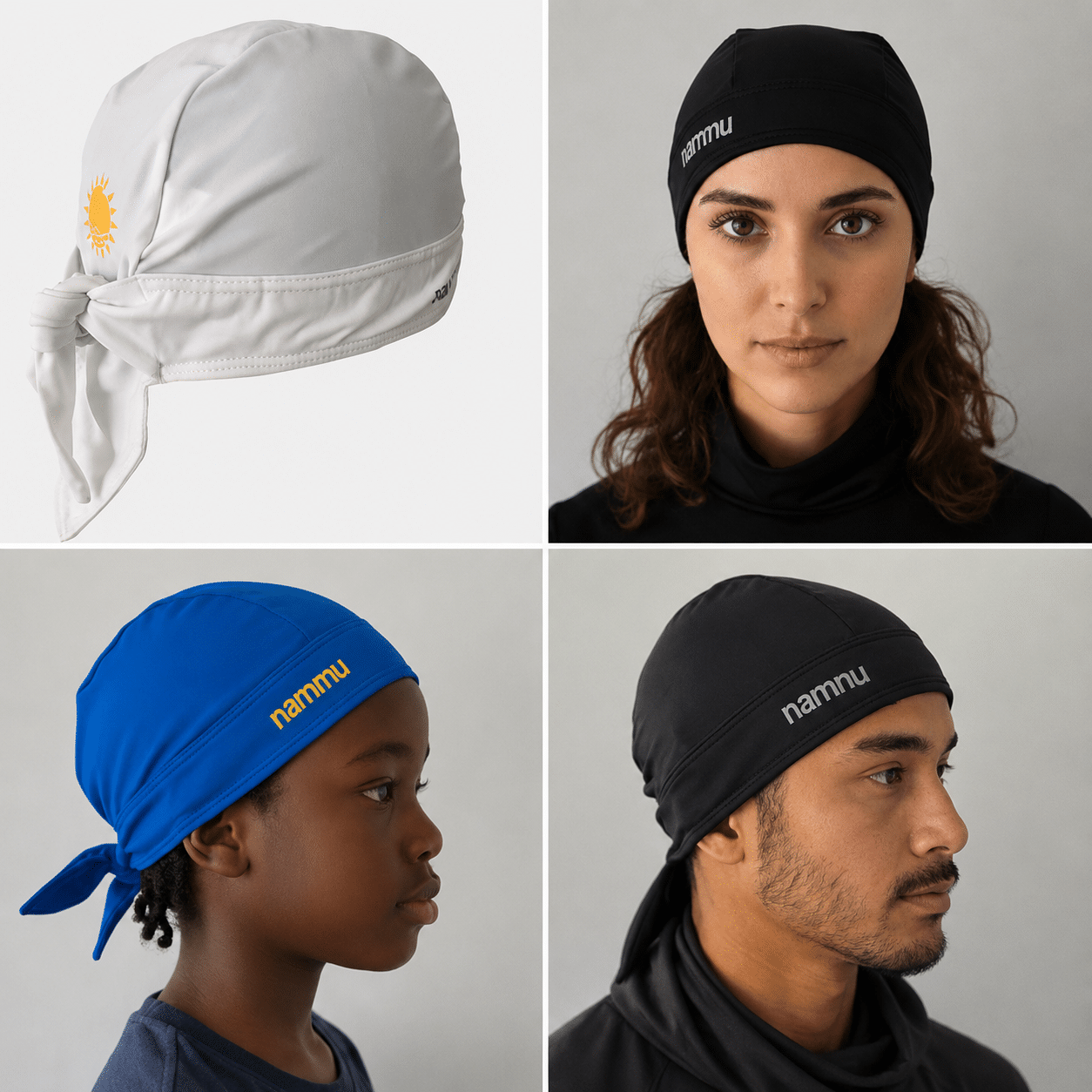
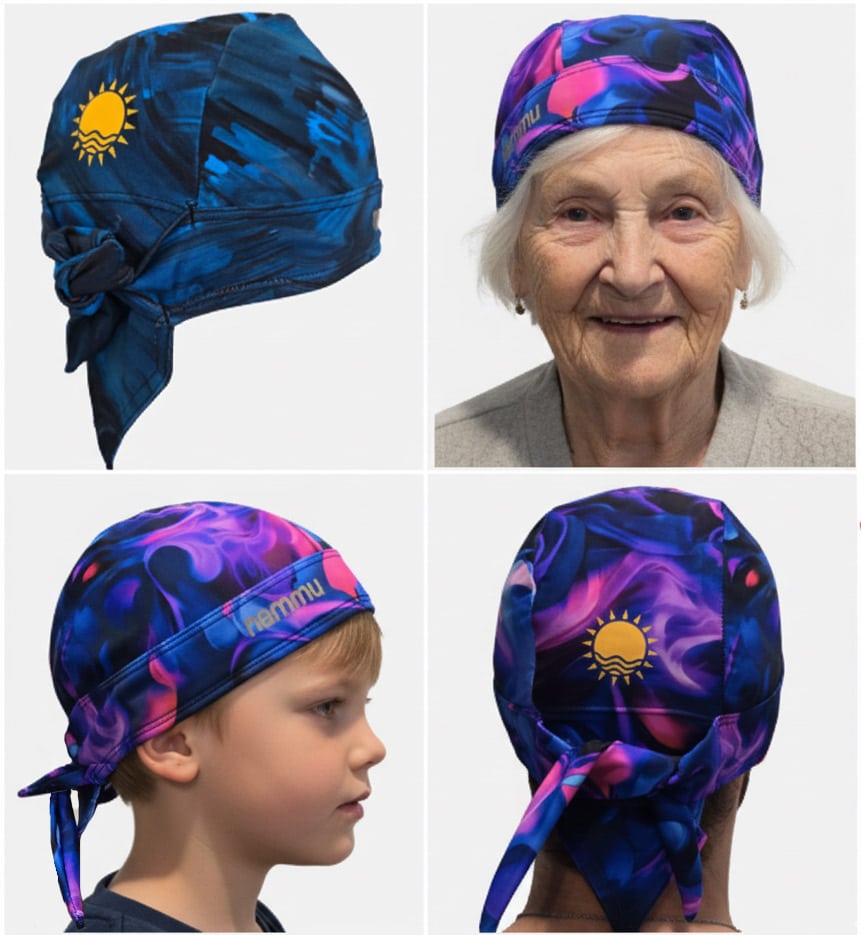
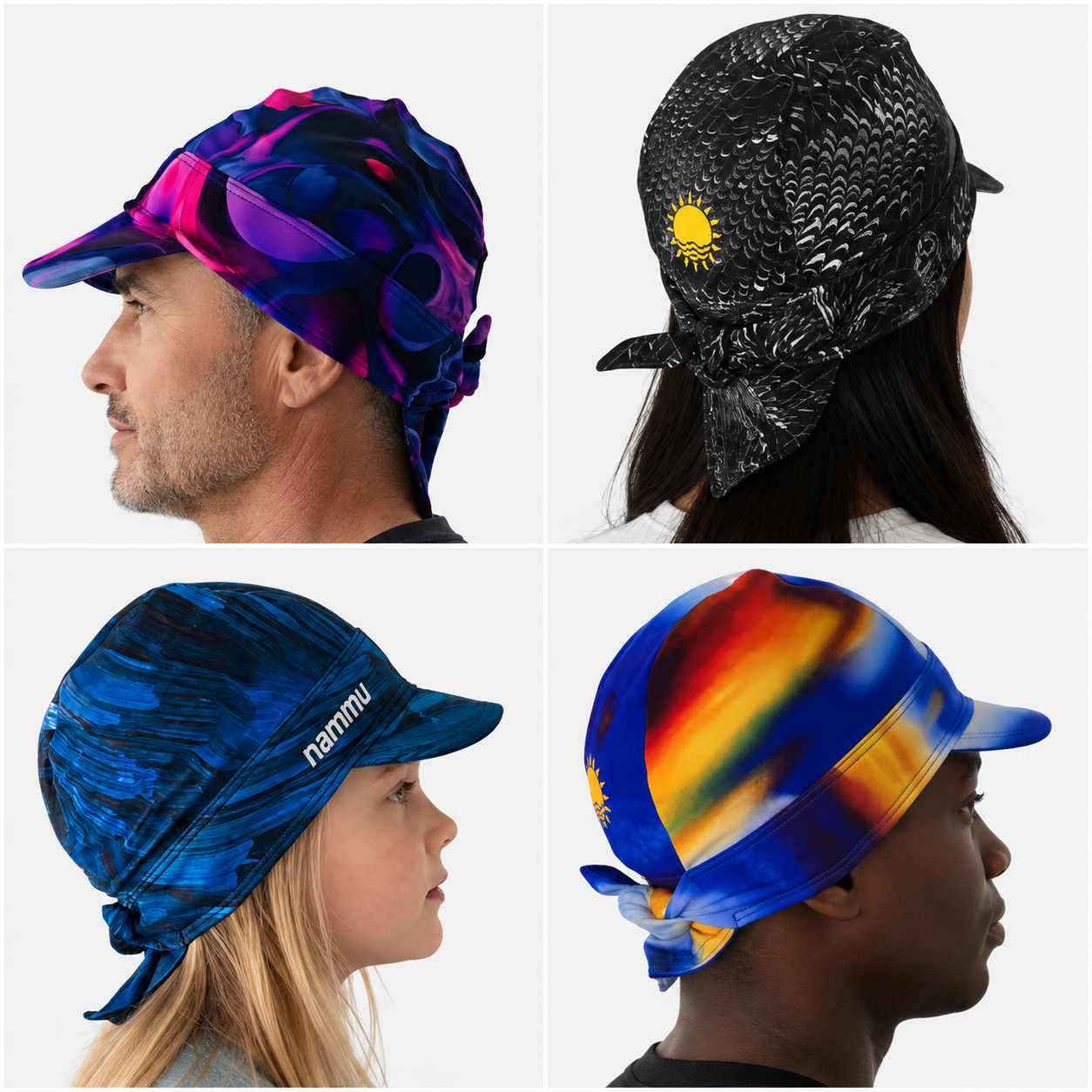
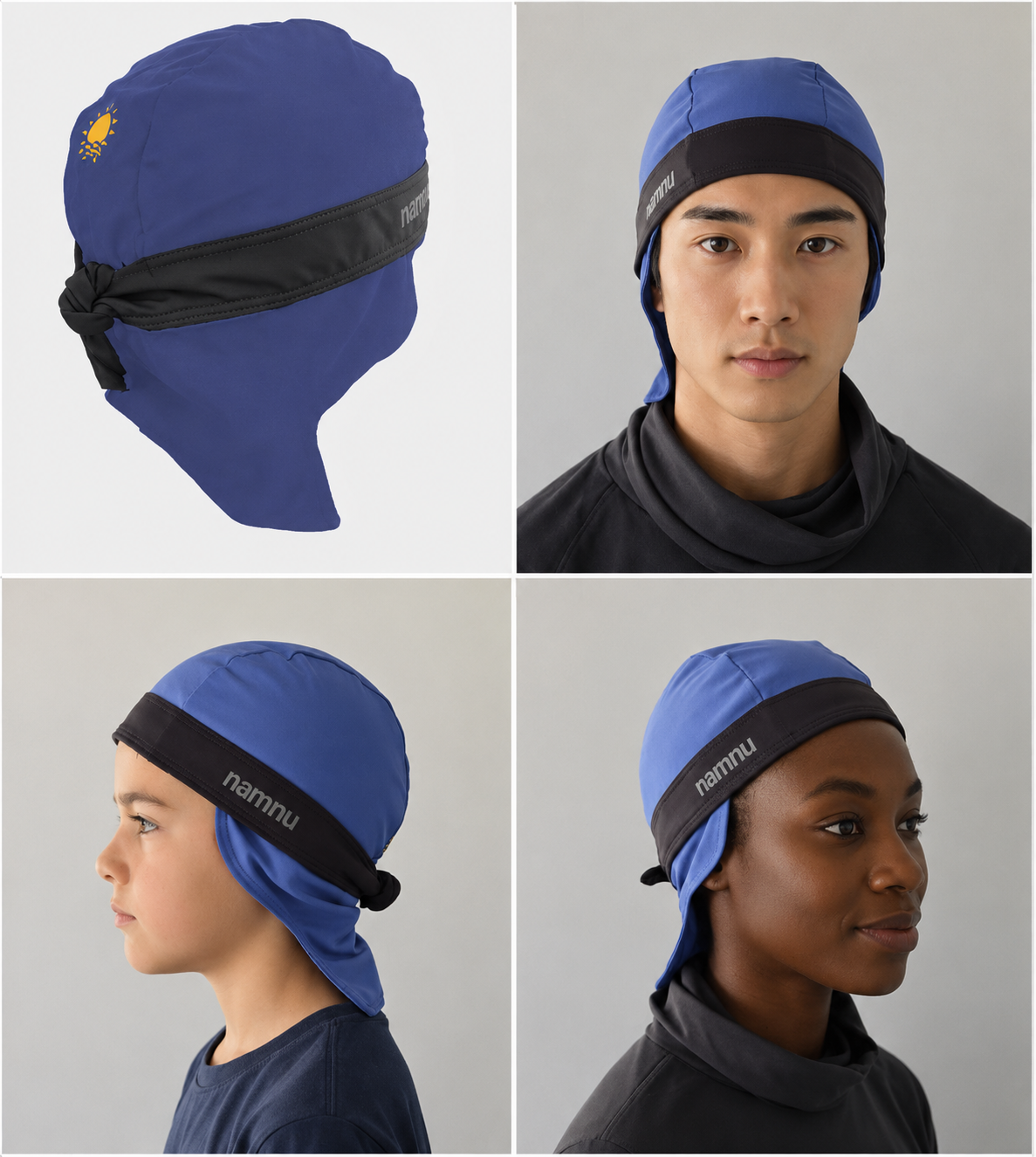
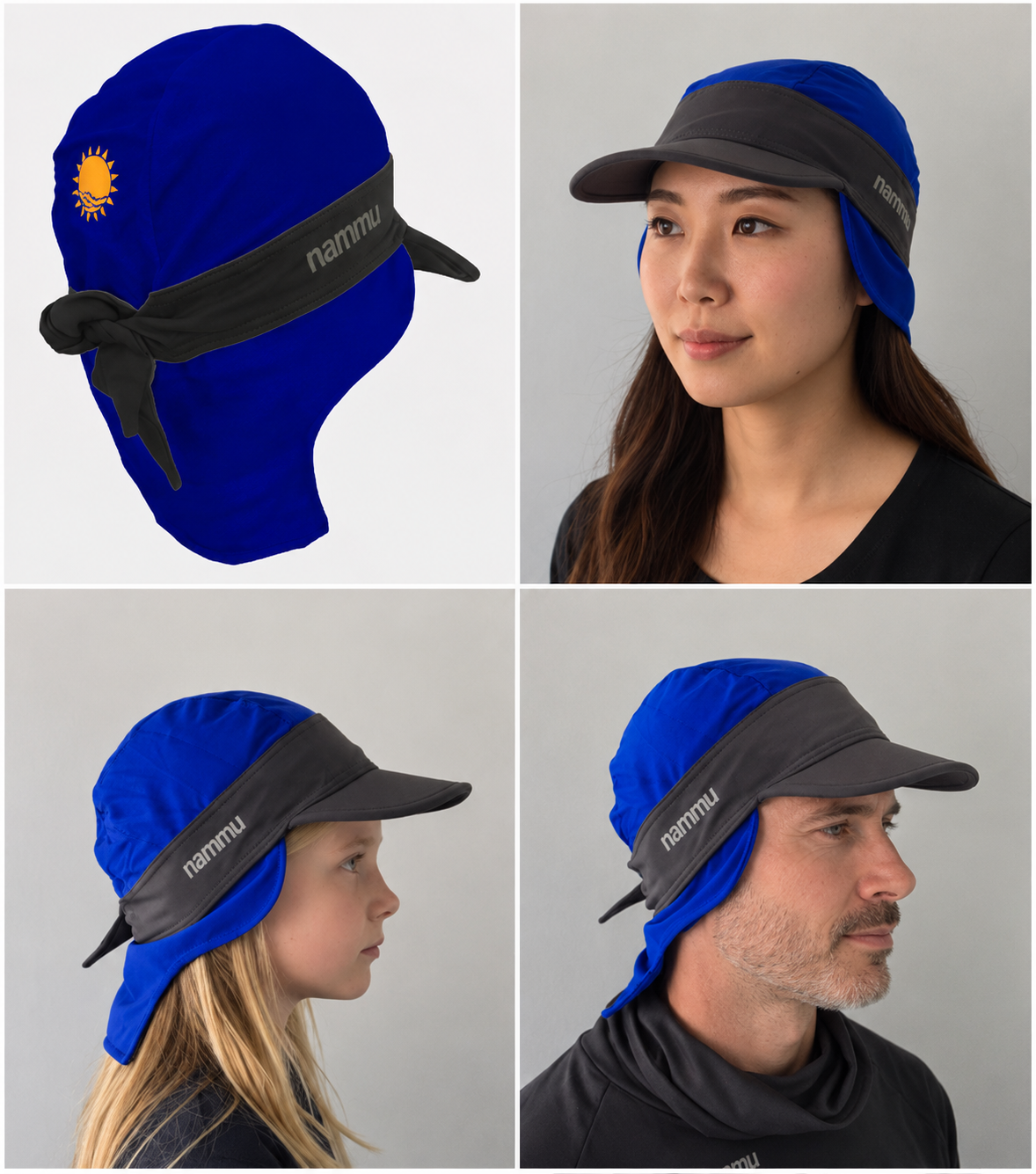
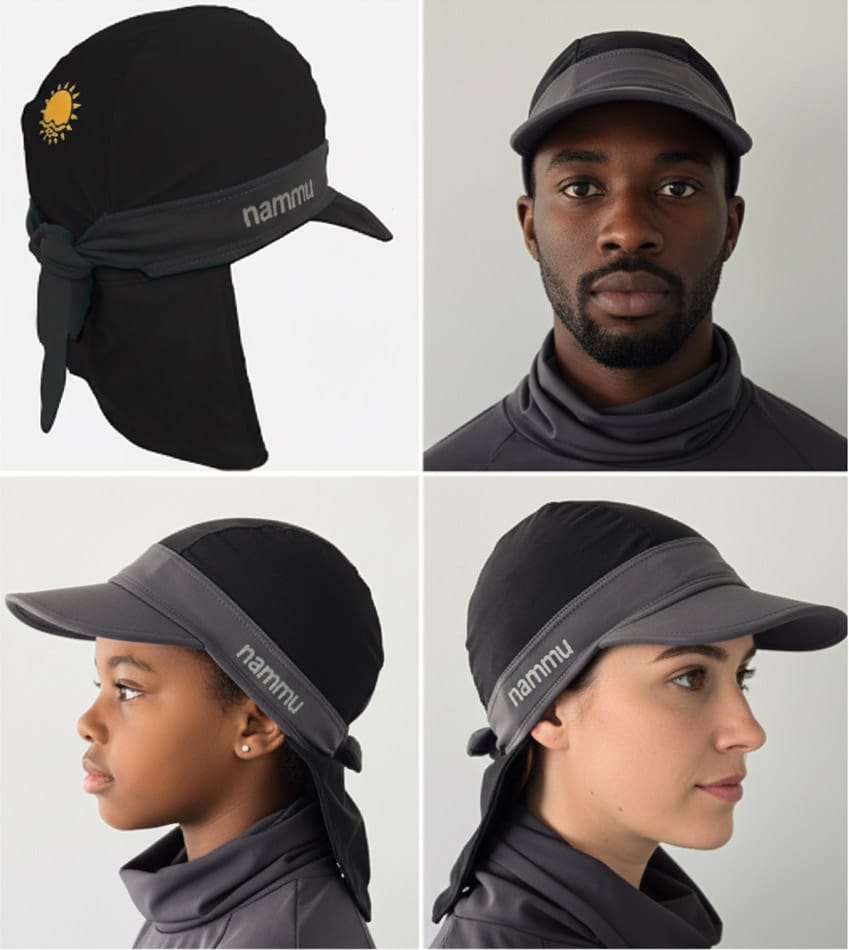
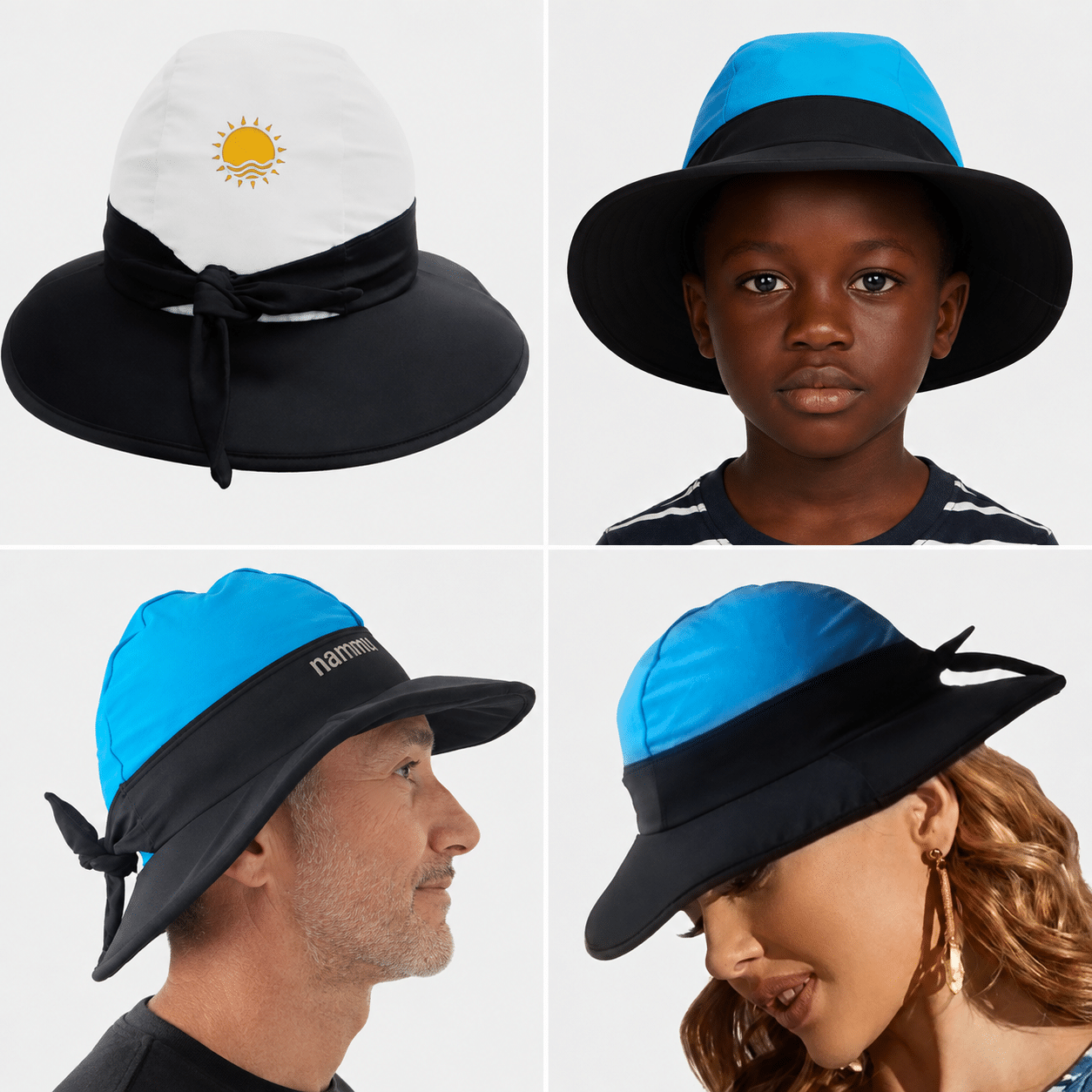
Swim hat: Scalp psoriasis is common. A Classic Nammu UPF swim hat protects the scalp without any product contact. The soft nylon fabric sits gently against the head without the tight pressure of a silicone cap, which can irritate plaques. The Classic with Visor adds forehead shade for those with facial psoriasis.
Swim shirt: A UPF 50+ swim shirt covers the torso, shoulders, and arms — areas where psoriasis plaques are common — without sunscreen contact. Rinse thoroughly with fresh water immediately after swimming to remove chlorine or salt.
Sun wrap: A UV sun wrap provides full upper body coverage between swims without needing to reapply anything to the skin.
Sunscreen: For any exposed, unaffected skin, use a fragrance-free mineral sunscreen. Avoid applying to active plaques unless specifically directed by your dermatologist.
Pool vs Ocean: Which Is Better for Psoriasis?
Many people with psoriasis find that saltwater is more soothing than chlorinated pools. Dead Sea salt in particular has a long history in psoriasis management. If you have access to natural seawater, it may be preferable to chlorinated pools for swimming sessions. Rinse well with fresh water afterwards regardless.
If you swim in a pool, showering immediately after and applying moisturizer while skin is still damp helps counteract the drying effect of chlorine.
Talk to Your Dermatologist
Sun exposure recommendations vary significantly depending on the type and severity of psoriasis, current treatments, and individual response. Always discuss sun protection and sun exposure strategy with your dermatologist — particularly if you are on biologics or other systemic treatments that may affect photosensitivity.
Frequently Asked Questions
Can sun exposure help or hurt psoriasis? It can be both, moderate controlled UV exposure is sometimes used to calm plaques, but sunburn is a known trigger that can cause new plaques to form.
Why can chemical sunscreens be a problem for psoriasis-prone skin? Many contain fragrances, preservatives, and chemical UV filters that can irritate plaques and cause stinging or flares.
How does UPF clothing help someone managing psoriasis? It blocks UV without any sunscreen ingredients touching the skin, reducing irritation risk and the need for repeated reapplication over affected areas.
Related Posts